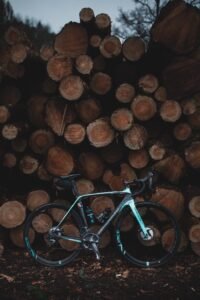
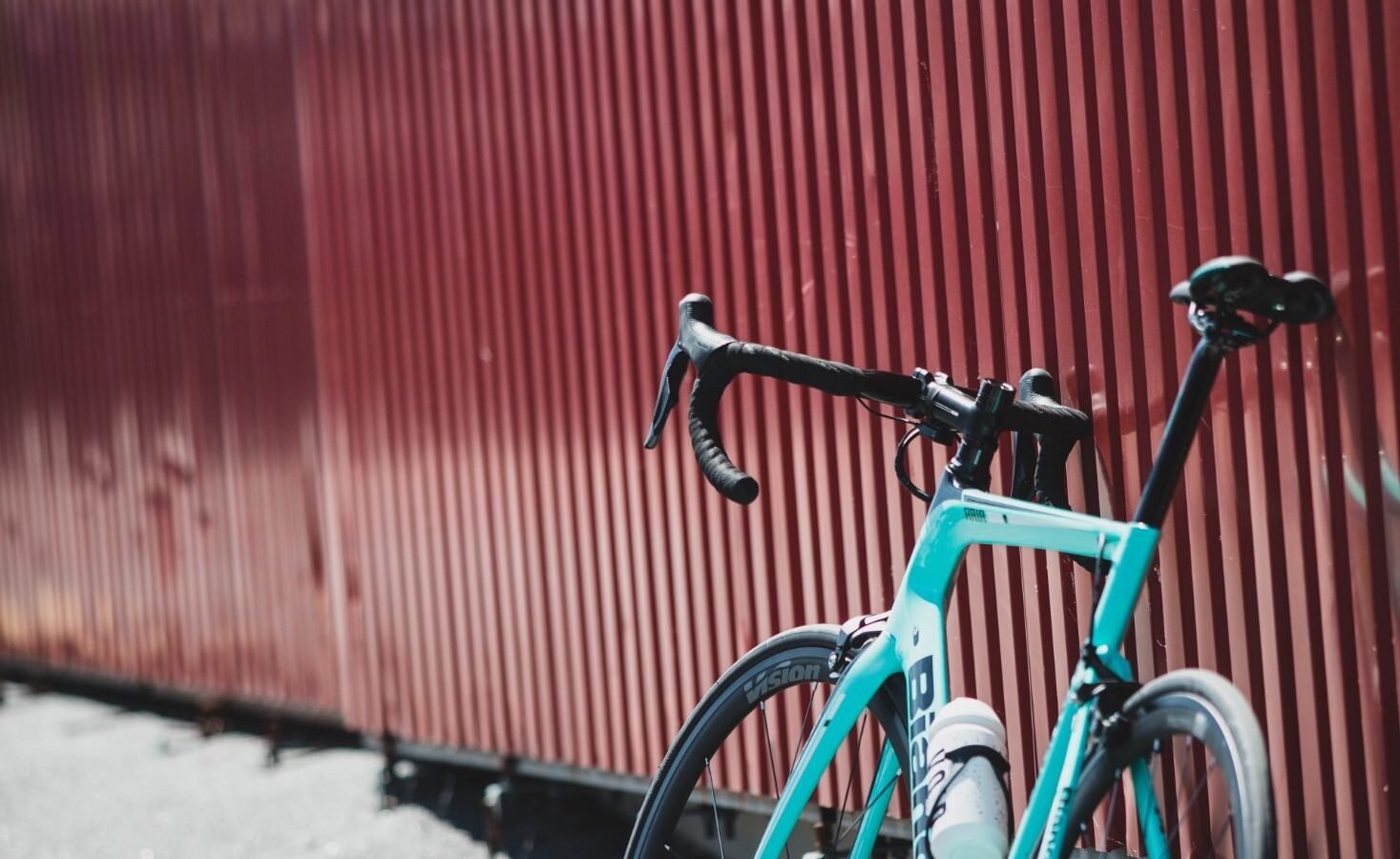
A carbon adventure bike that would rather be loaded than light.
The Hook EXT-C is built for the kind of riding we actually do — long days, mixed surfaces, a full load and no support. It clears big rubber, carries bags everywhere, and still feels alive on tarmac.
A carbon adventure bike that would rather be loaded than light.
Most adventure bikes are built as a compromise — a road bike with wider tyre clearance bolted on, or a mountain bike with drop bars grafted onto geometry that was never meant to carry them. The Hook EXT-C feels like it started from the actual brief: long days, mixed surfaces, a full load, no support vehicle. Big rubber clears easily, mounting points are everywhere you’d want to strap something, and it still feels alive rather than inert when the bags come off and you’re just riding to the shops.
Geometry is the genuinely impressive part, and it’s the part that’s hardest to communicate in a spec sheet. Loaded with front and rear bags on loose gravel descents, the bike stays composed and predictable in a way that a lot of adventure frames don’t manage once the weight goes on — there’s no sudden vagueness in the steering, no sense that the front end is being pushed around by the load. Strip the bags off for a road ride and the same frame that felt planted and stable an hour earlier suddenly feels lively and eager, which is a genuinely difficult needle to thread and one most manufacturers don’t.
The carbon frame itself is the standout; the build kit around it is sensibly rather than lavishly specced, and that’s the right call on a machine that’s going to get loaded down and ridden into weather and washboard rather than kept clean for photos. The stock finishing kit — saddle, grips, that sort of thing — is fine without being memorable, and most riders end up swapping at least some of it to personal taste within the first season, which we’d class as expected rather than a shortfall.
Weight sits a little over ten kilos for a size medium, which is honest for a carbon adventure frame built to actually survive loaded touring rather than chase a number, and it’s not a bike aimed at riders counting grams. Popular sizes have also sold out repeatedly since launch, which is more a testament to demand than a flaw in the bike, but worth knowing if you’re planning to buy on a specific timeline.
For one bike to cover everything from a loaded multi-day gravel crossing to an unloaded weekend road spin, this is the frame we’d point a friend towards. If you want a dedicated, lightweight race-day gravel bike and only that, there are lighter, twitchier options built specifically for that single job.
No weekly newsletter, no filler. Just the occasional dispatch — a new route, a story worth your time, or an event you'll want to ride.
No spam, ever. Unsubscribe any time.