Palatial for the weight — until the wind really gets up.
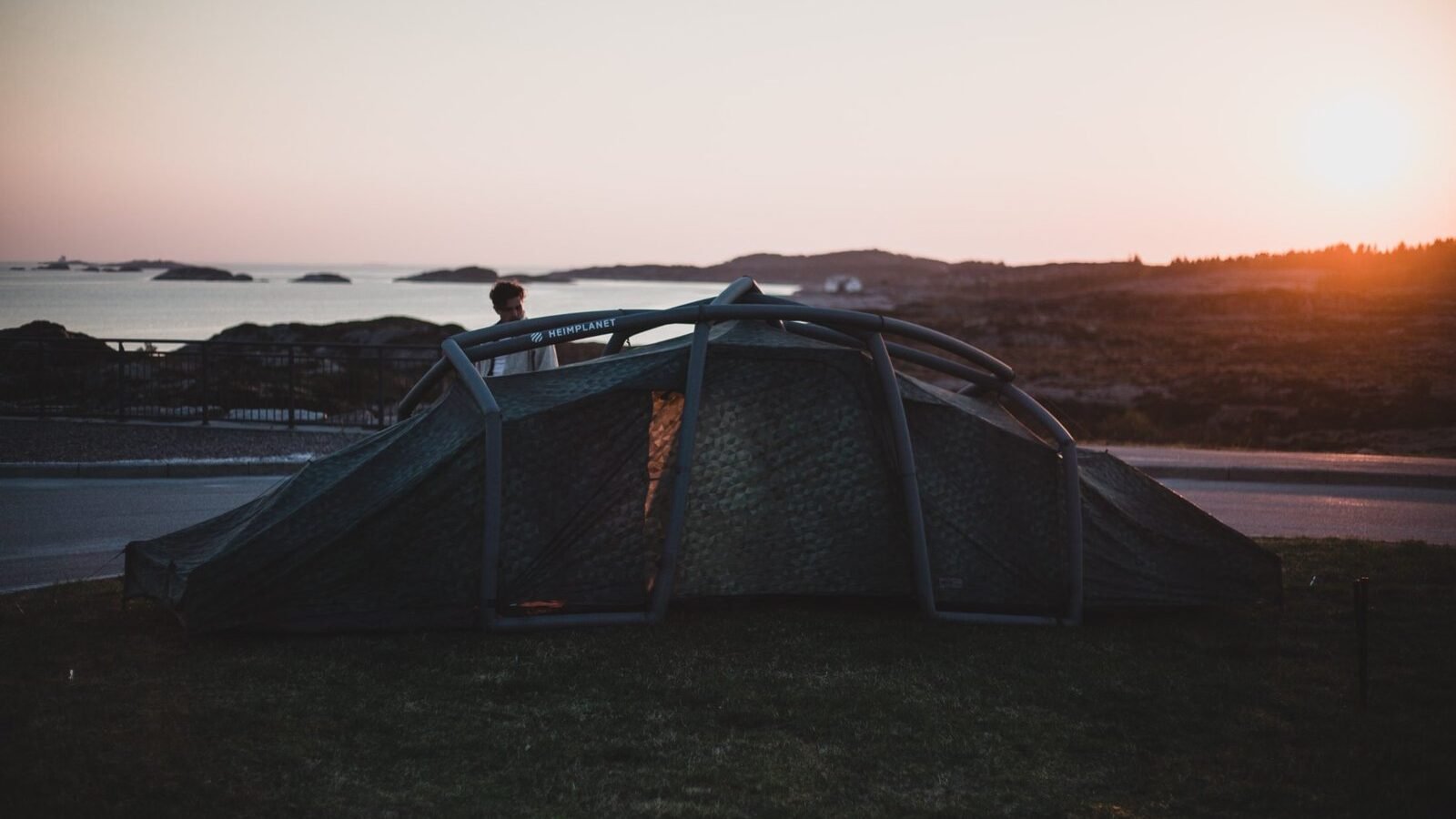
For a tent that packs to the size of a baguette, the Copper Spur is astonishingly liveable. Two riders, two doors, two vestibules, and headroom you can actually sit up in.
Palatial for the weight — until the wind really gets up.
Two-person tents almost always involve a compromise between packed size and livability, and most manage neither particularly well. The Copper Spur is the rare exception — for a tent that genuinely packs to the size of a baguette and disappears into a frame bag or the bottom of a pannier, it is astonishingly liveable once pitched. Two doors, two vestibules, and — unusually for this weight class — enough headroom to sit up straight and change out of wet kit without contorting.
The steep wall design and pre-bent ridge pole are doing more work than the floor-area number on the spec sheet suggests. Interior volume feels genuinely larger than tents with similar footprints, and that extra few centimetres of vertical space at the head end makes a real difference on a wet evening when you’re stuck inside cooking or sorting gear rather than just sleeping. Pitch time is comfortably under five minutes once you’ve done it two or three times and know which pole goes where — a genuine advantage when you’re setting up in failing light or a gathering headwind.
We’ve used this tent through a range of conditions from calm forest camps to a properly exposed pitch above the treeline in the Icelandic highlands, and the distinction the “3-season” label is making becomes very real in the second scenario. In a sheltered spot it is close to faultless. In an open, windy pitch you need to be deliberate about orientation, get every guy line out, and accept that the fly will drum and flex more than a dedicated four-season shelter would. It is not a tent we’d choose for a deliberately exposed winter trip, and it doesn’t pretend to be.
The fabric is genuinely fine — thin enough to keep the weight down, which means it rewards being pitched carefully rather than thrown up and abused. A few seasons in, ours shows no failures, but we treat the fly with more care than we would a heavier four-season equivalent.
For two riders bikepacking together through spring, summer and early autumn, sticking mostly to sheltered or moderately exposed camps, this is close to the ideal shelter: light enough that neither of you resents carrying half of it, and comfortable enough that a wet, windy evening inside doesn’t feel like punishment. If your trips regularly put you on exposed ridgelines in genuinely severe weather, look at something built for four seasons instead.
No weekly newsletter, no filler. Just the occasional dispatch — a new route, a story worth your time, or an event you'll want to ride.
No spam, ever. Unsubscribe any time.