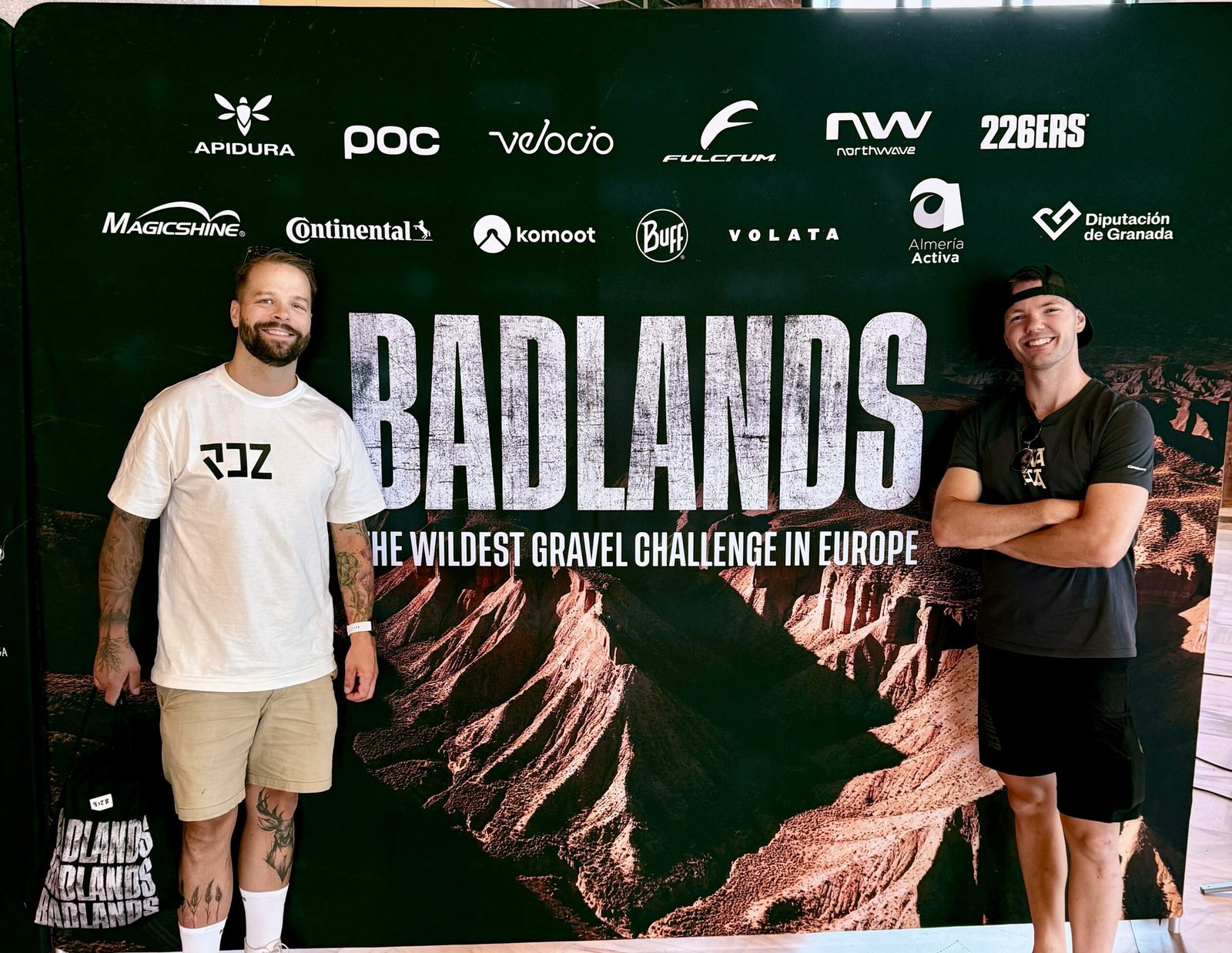
– Hi and welcome to the VI edition of BADLANDS!
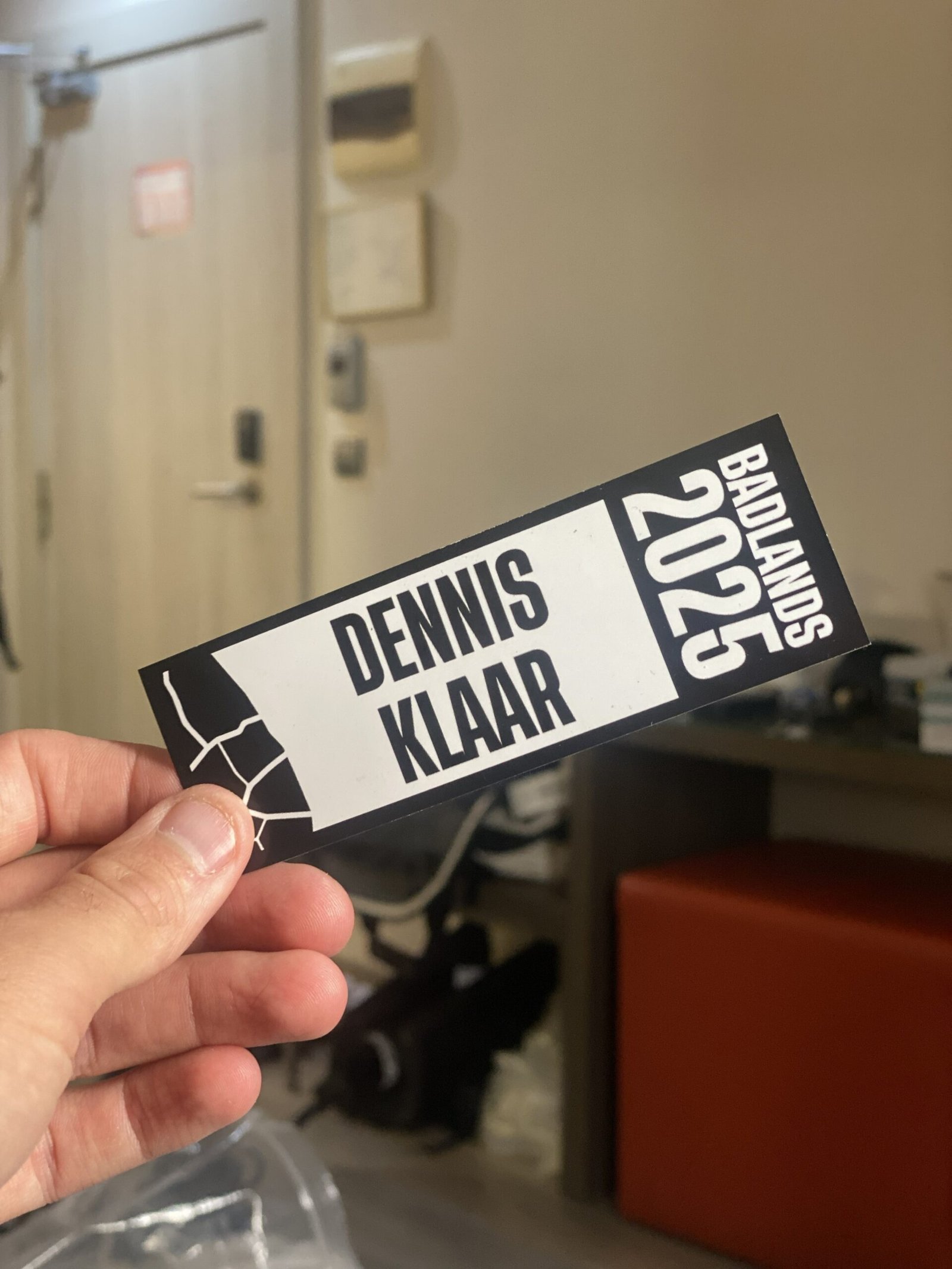
In November 2024 we submitted an application that felt like buying a lottery ticket. Only around 20 percent of applicants receive a start number for BADLANDS, the now legendary gravel race in southern Spain. Weeks later an email appeared in the inbox.
“Hi and welcome to the VI edition of BADLANDS.”
That was it. No confetti. No fanfare. Just one line—and suddenly we were in.
For riders who follow the world of endurance gravel racing, BADLANDS needs little introduction. The organisers describe it as “the wildest gravel challenge in Europe,” and after riding it, that claim feels less like marketing and more like simple geography.
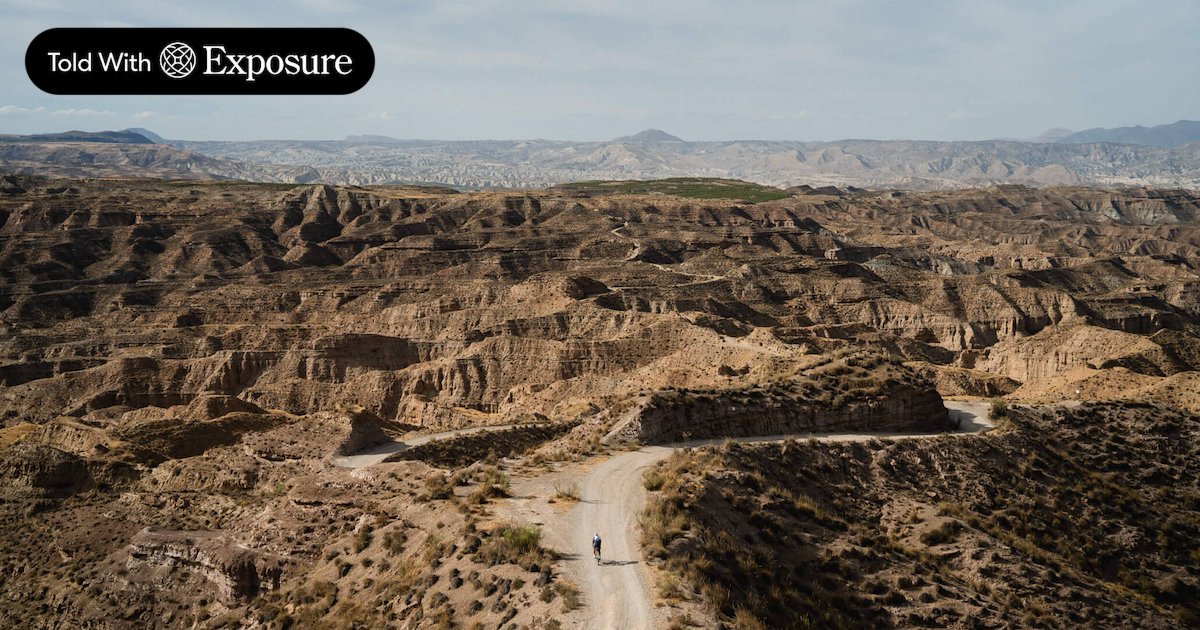
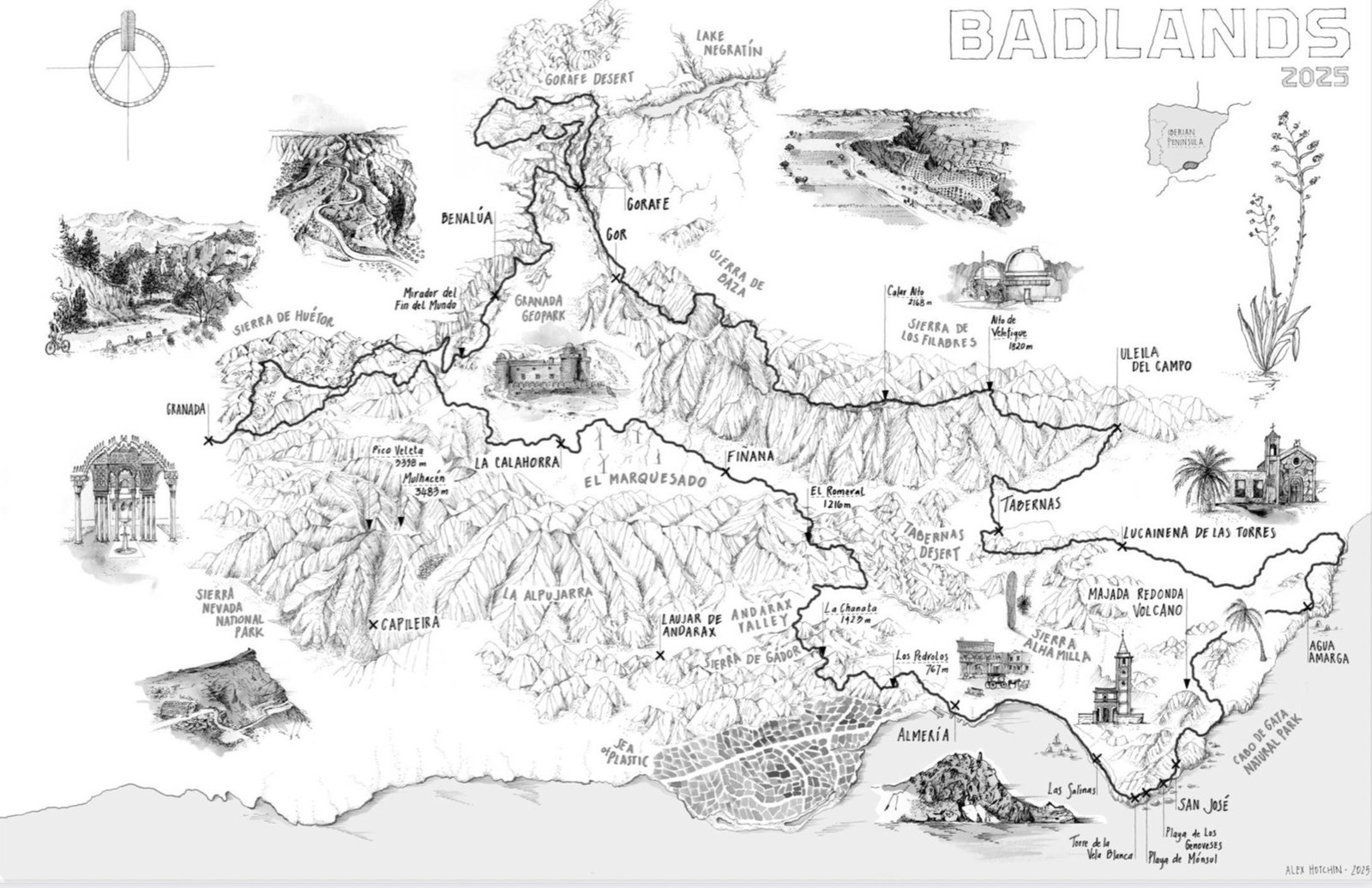
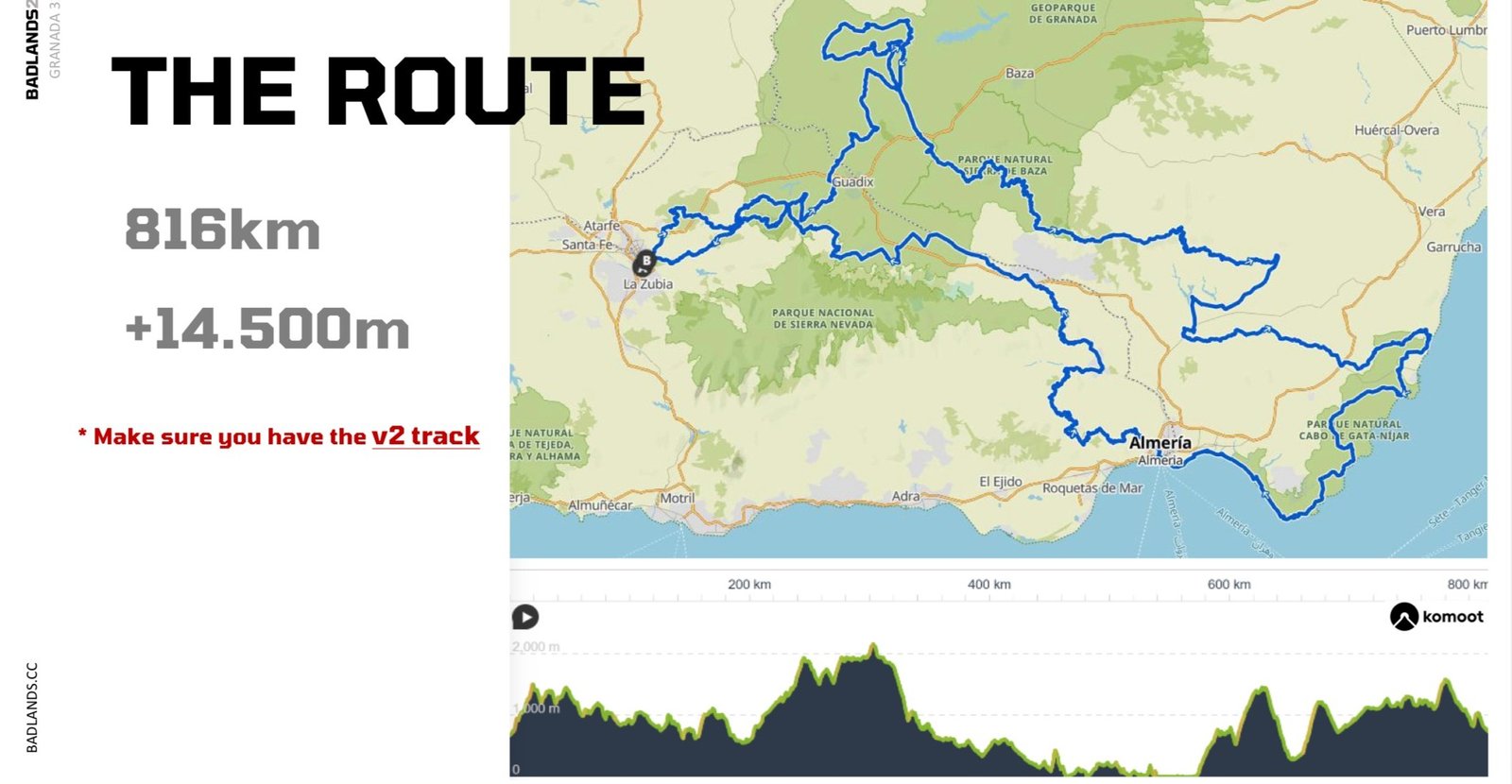
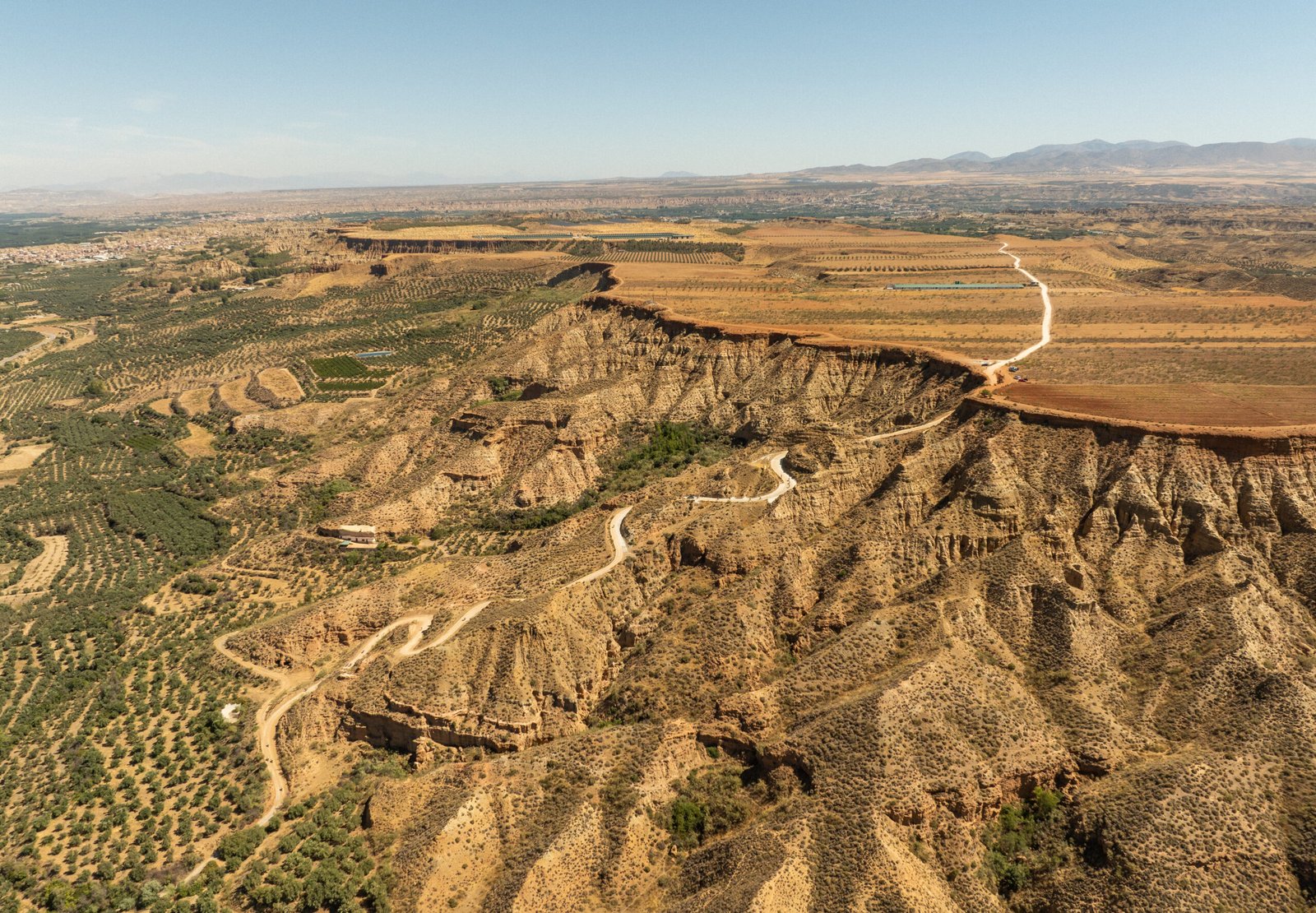
The route changes each year, but the scale remains brutal. In 2025 it stretched roughly 820 kilometres with more than 15,000 metres of climbing, starting and finishing in Granada. Along the way riders cross a landscape that feels closer to another continent than southern Europe: the Gorafe Desert, sun-scorched badlands, remote mountain passes and the immense climb to Pico Veleta, the highest paved road in Europe at 3,396 metres.
It’s also fully unsupported. No team cars, no feed zones. Just you, your bike, and whatever you can find along the route—all within a strict time limit.
From our perspective, it’s one of the toughest things you can attempt on a bicycle.
Which, of course, is exactly why we wanted to try.
The Bikepack
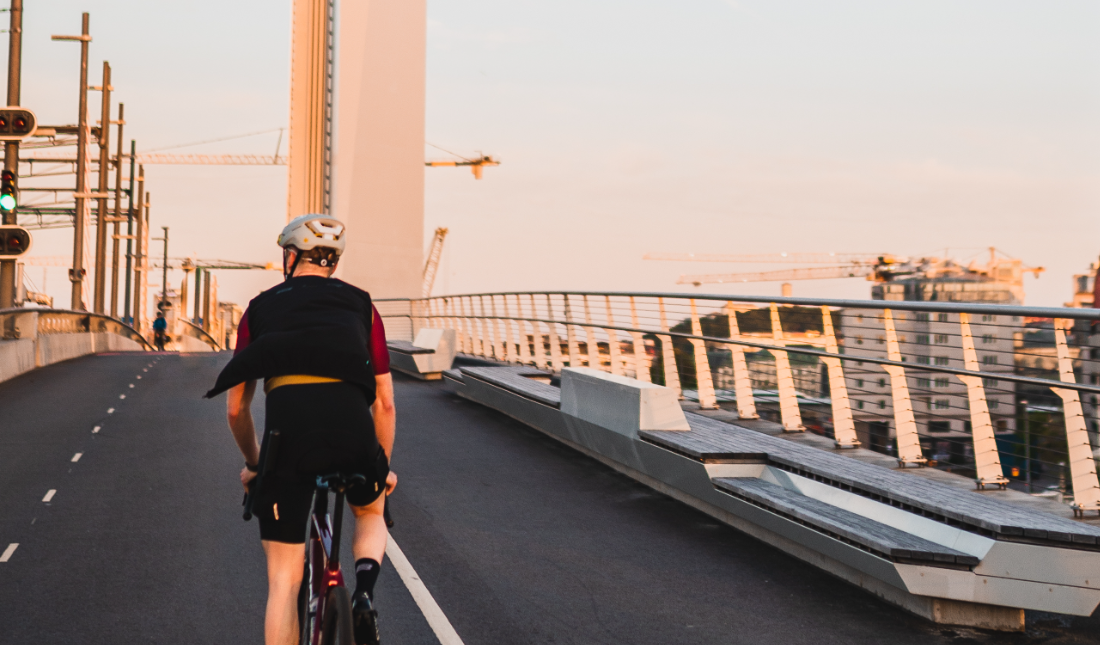
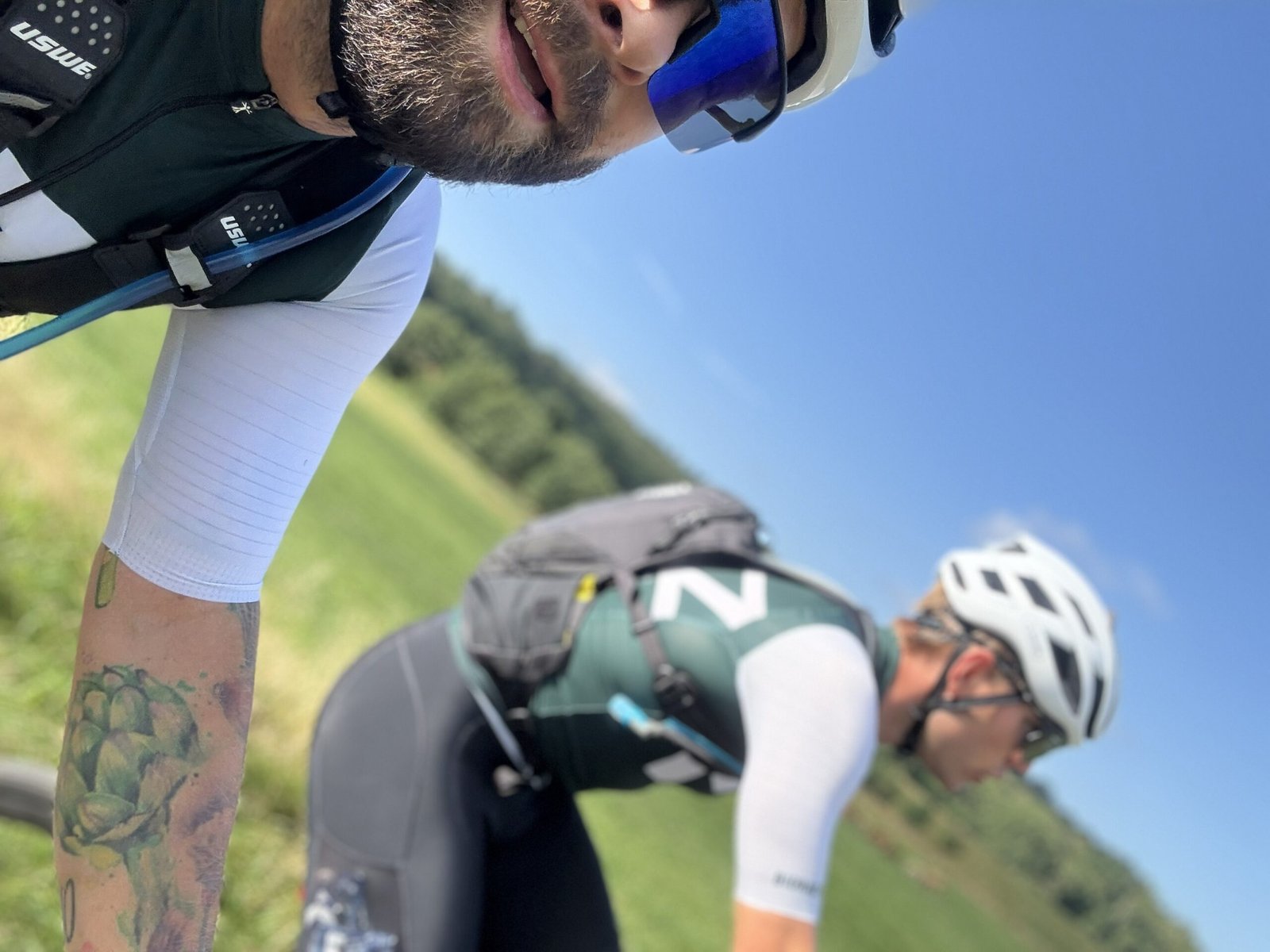
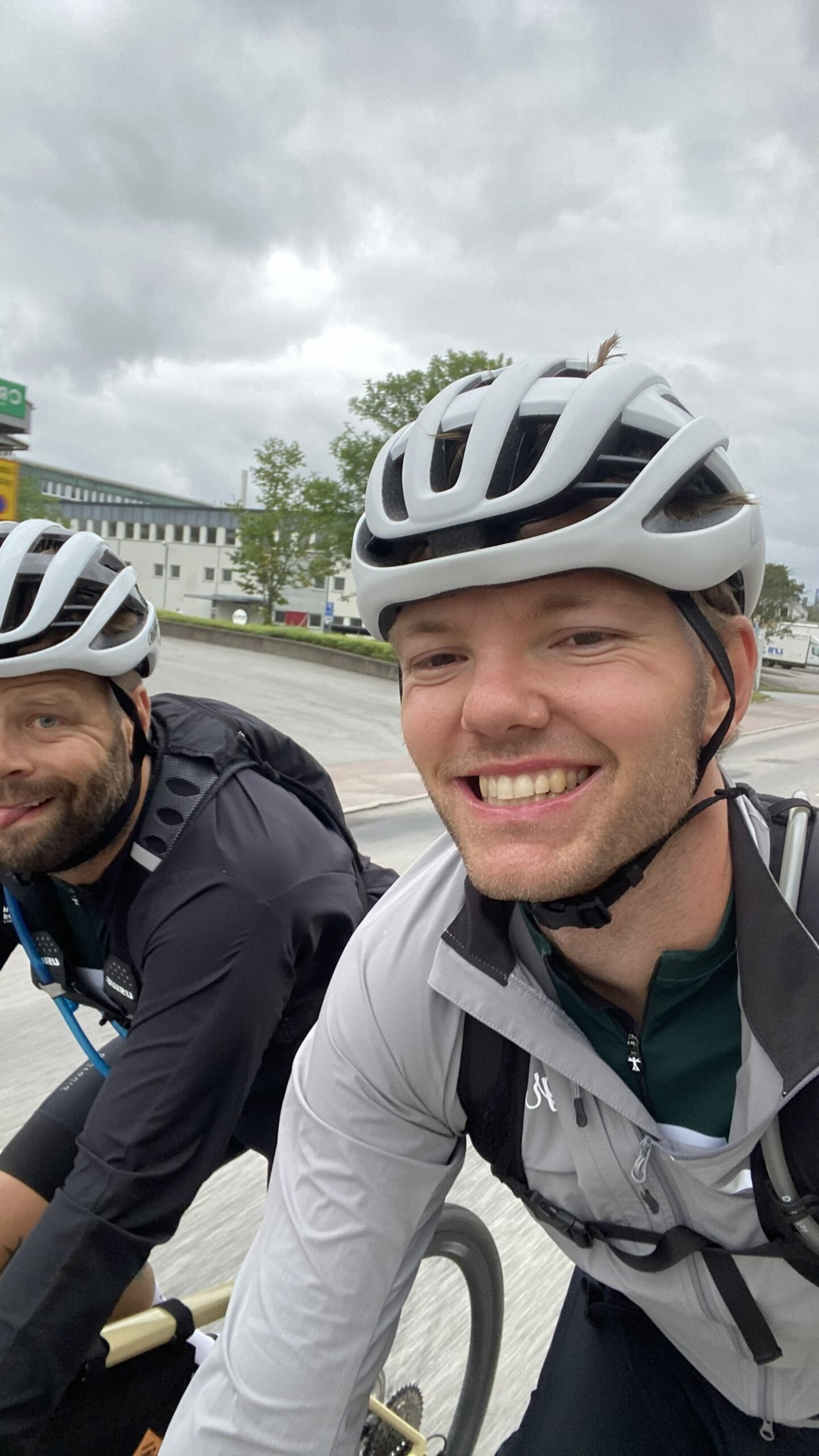
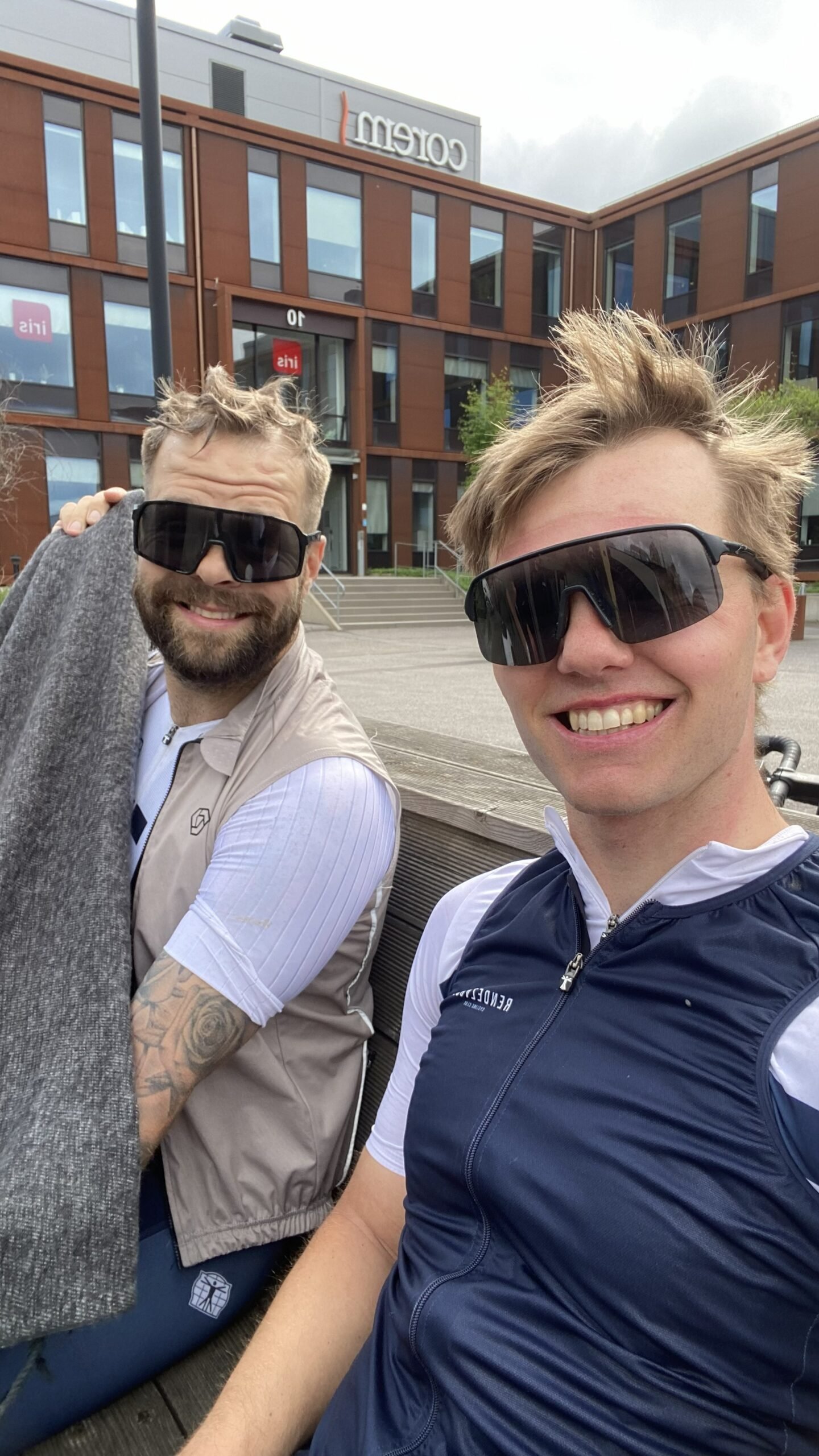
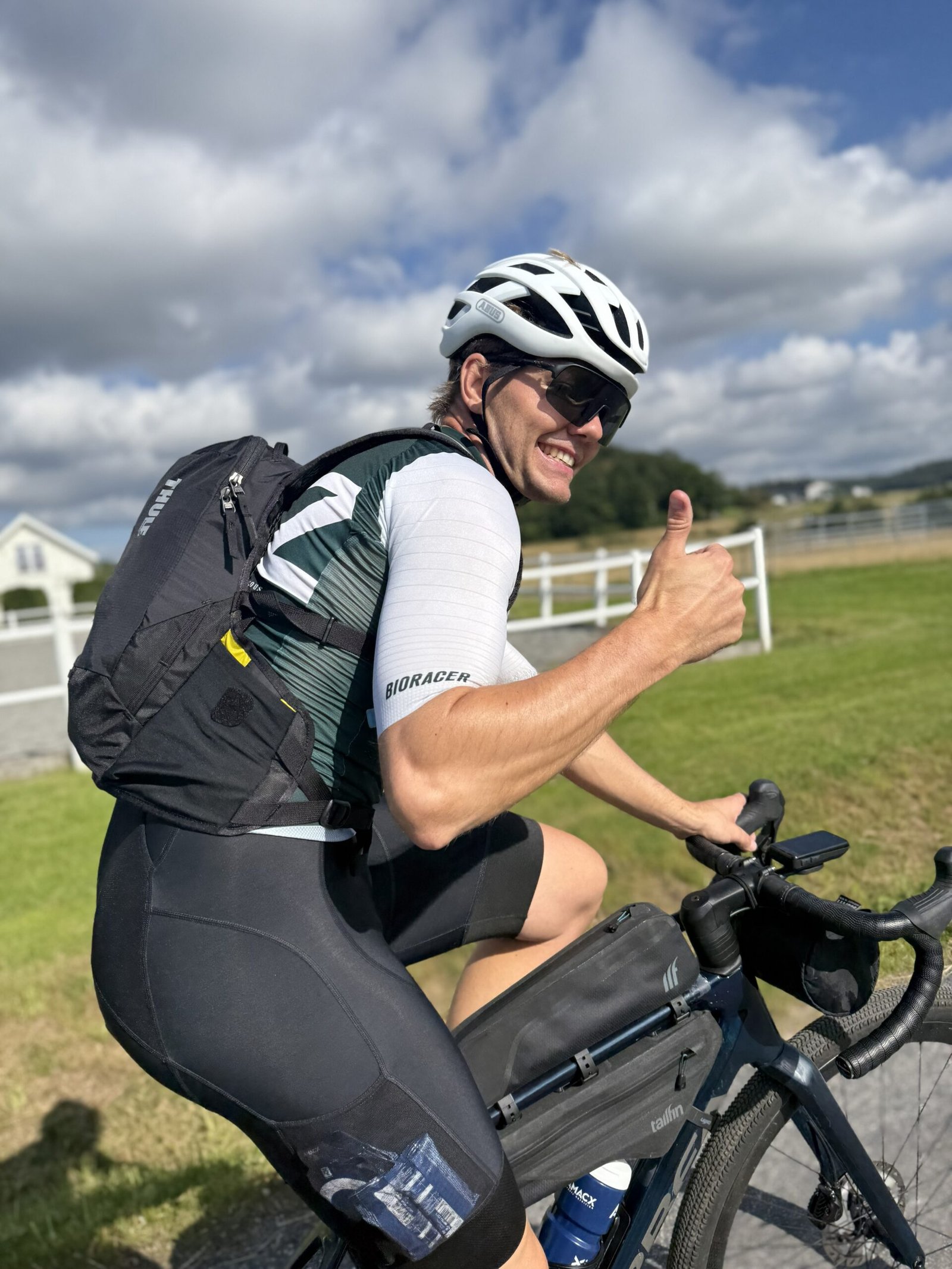
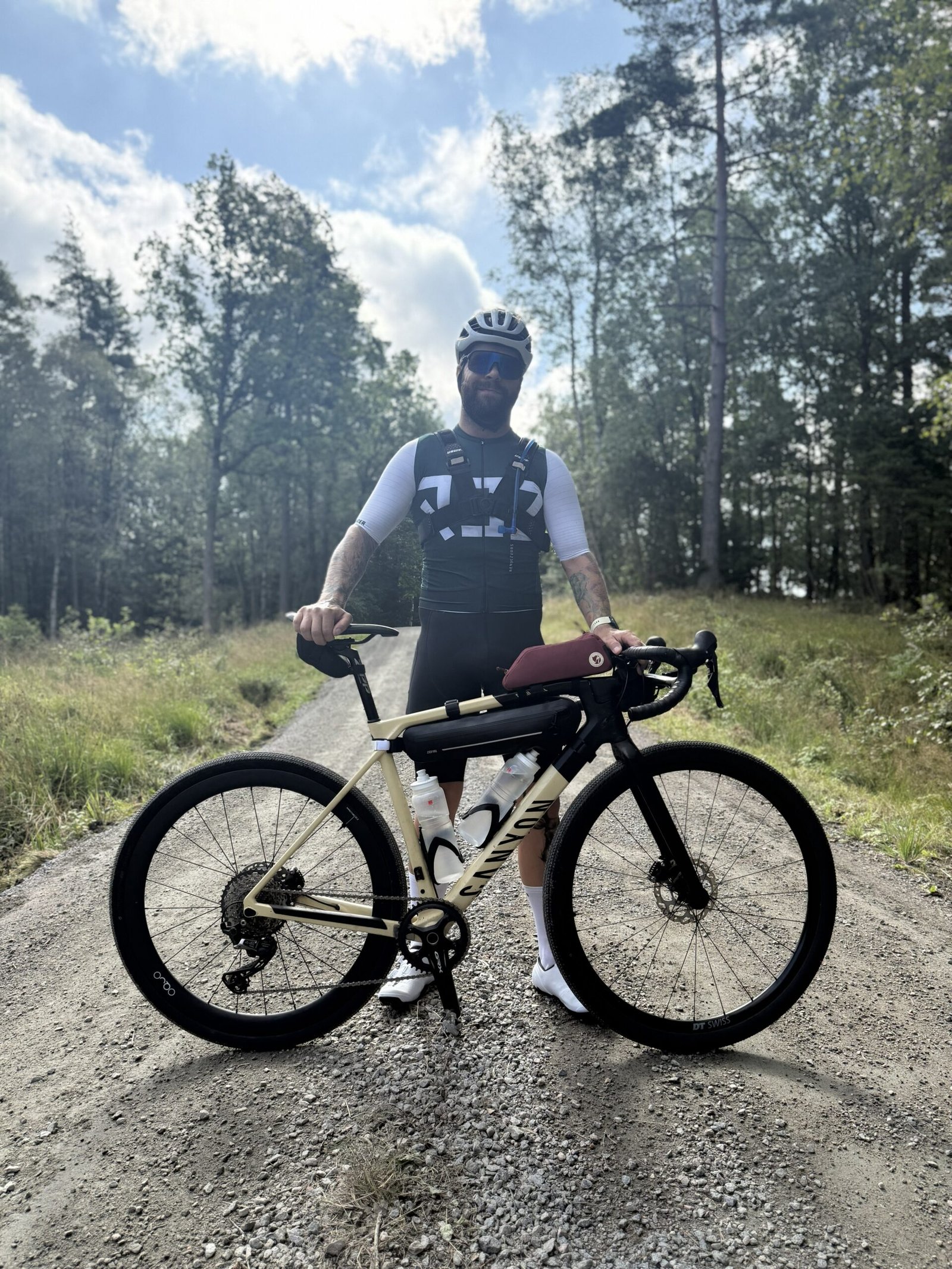
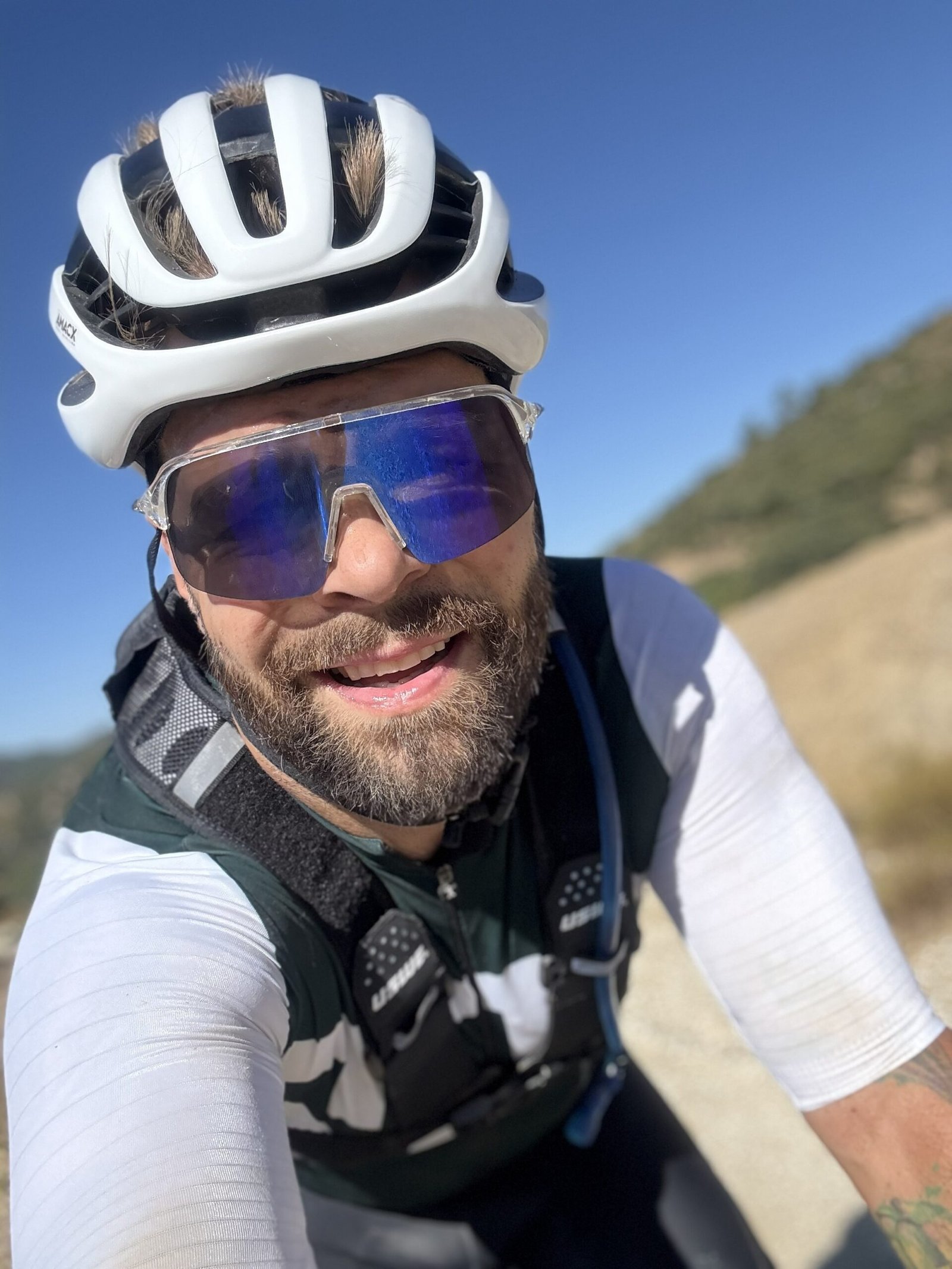
We are The Bikepack, a small two–rider crew from Gothenburg with a deep and slightly obsessive love for cycling. For us, the bike is more than transport or sport—it’s a way to explore landscapes, test limits, and discover what happens when curiosity outweighs comfort.
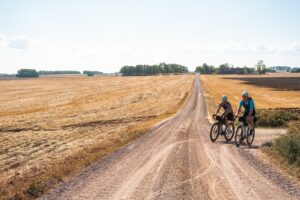
Bikepacking sits right at that intersection. You travel light, rely on yourself, and move through landscapes at the perfect speed—fast enough to cover distance, slow enough to notice everything.
BADLANDS seemed like the ultimate expression of that idea.
Preparing for the Unknown
Once the email arrived, preparation began immediately.
Training plans were drawn up. Gear lists grew longer. We studied previous race reports, compared notes with friends who had ridden earlier editions, and spent evenings tracing the route across satellite maps.
Months passed in Zone 2 training, long hours in the saddle and quiet winter kilometres building endurance.
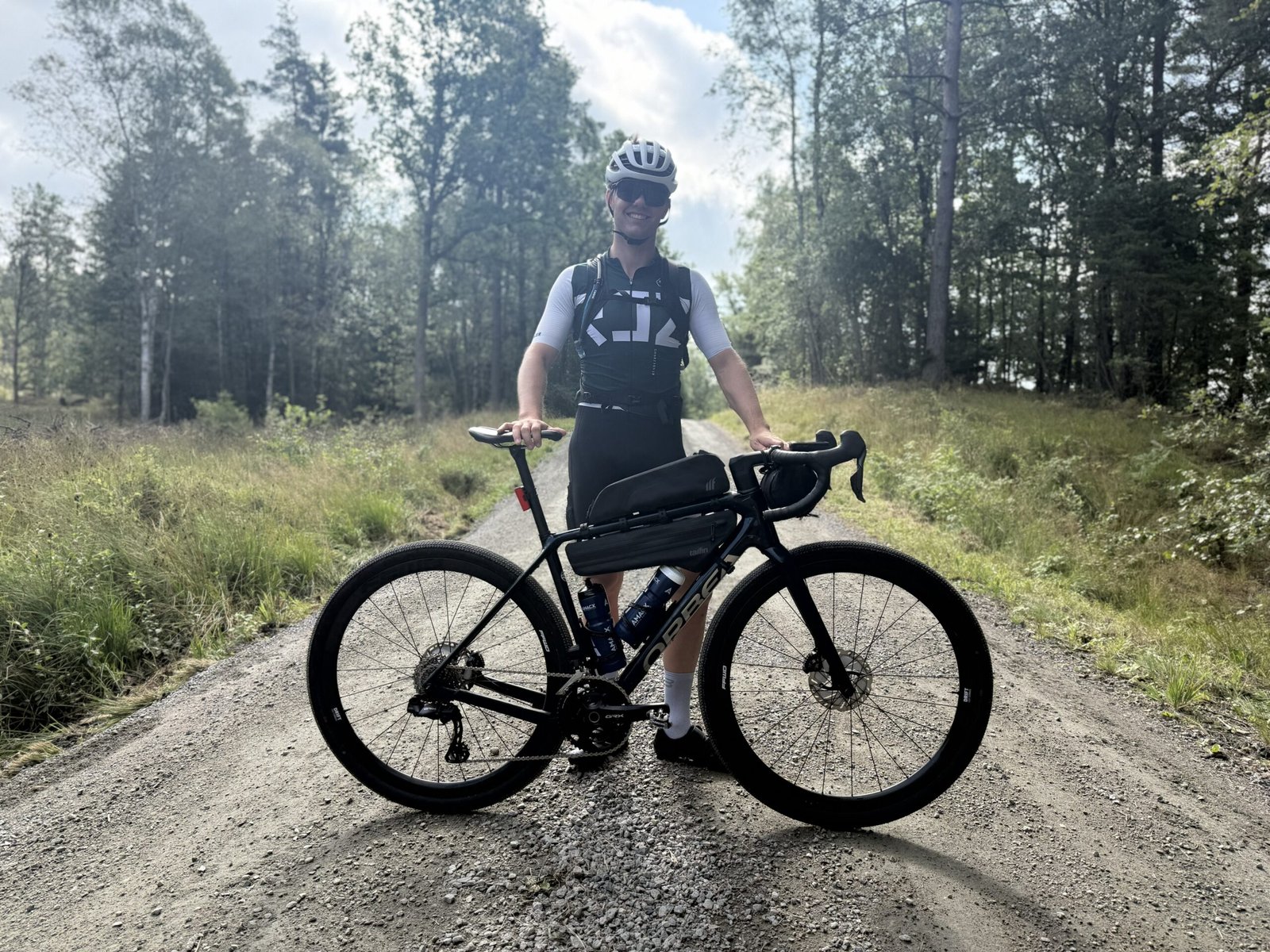
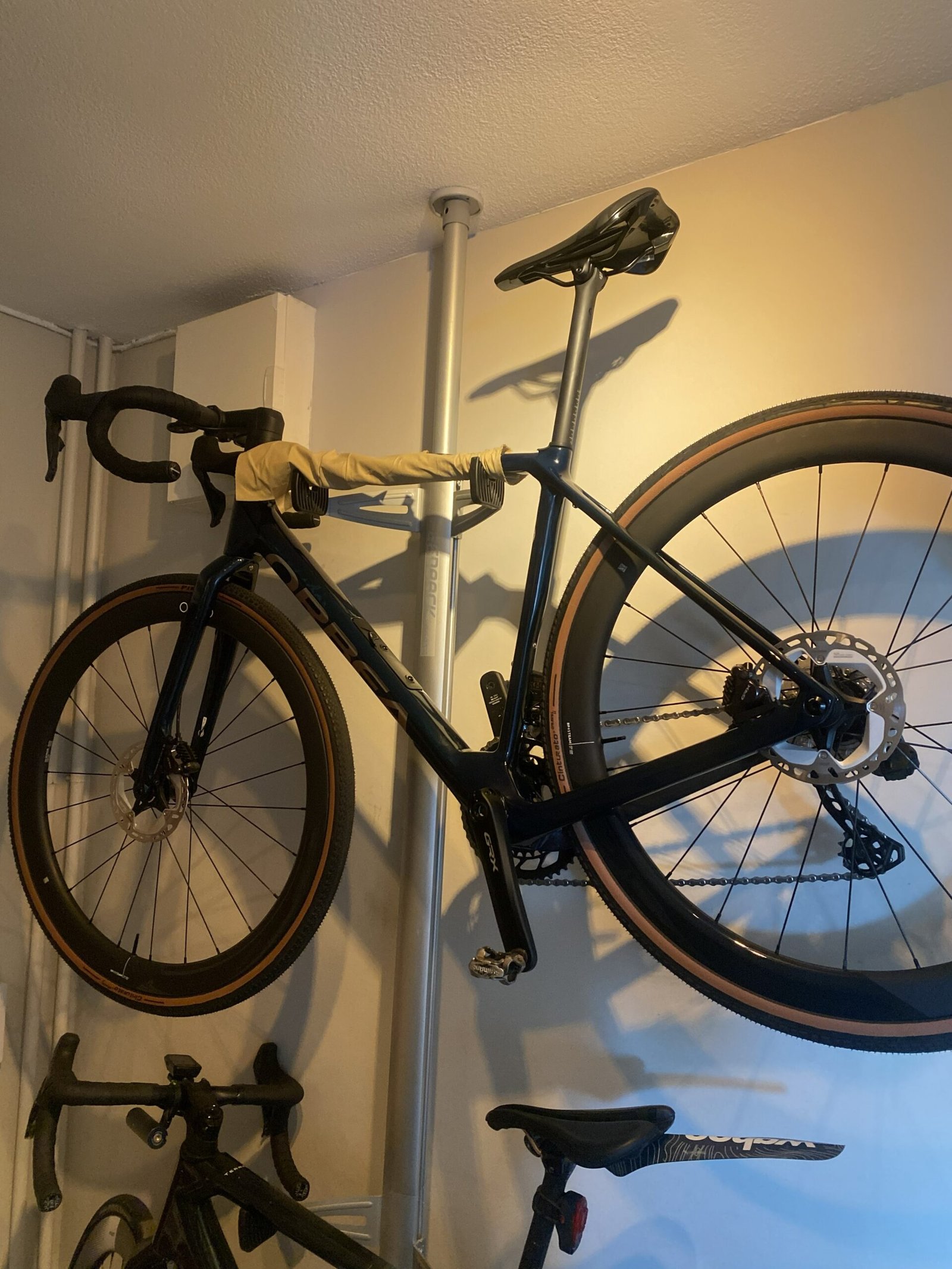
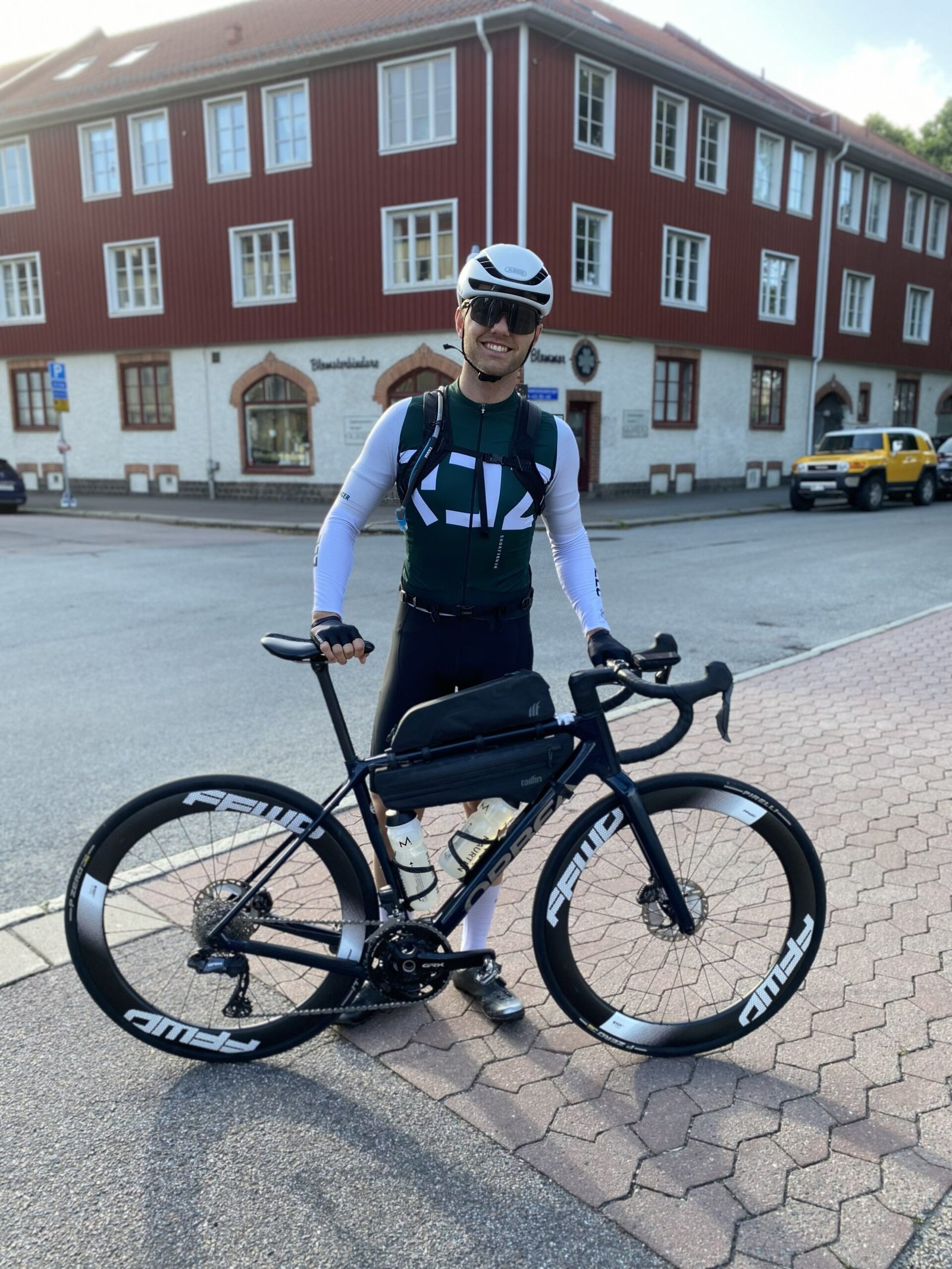
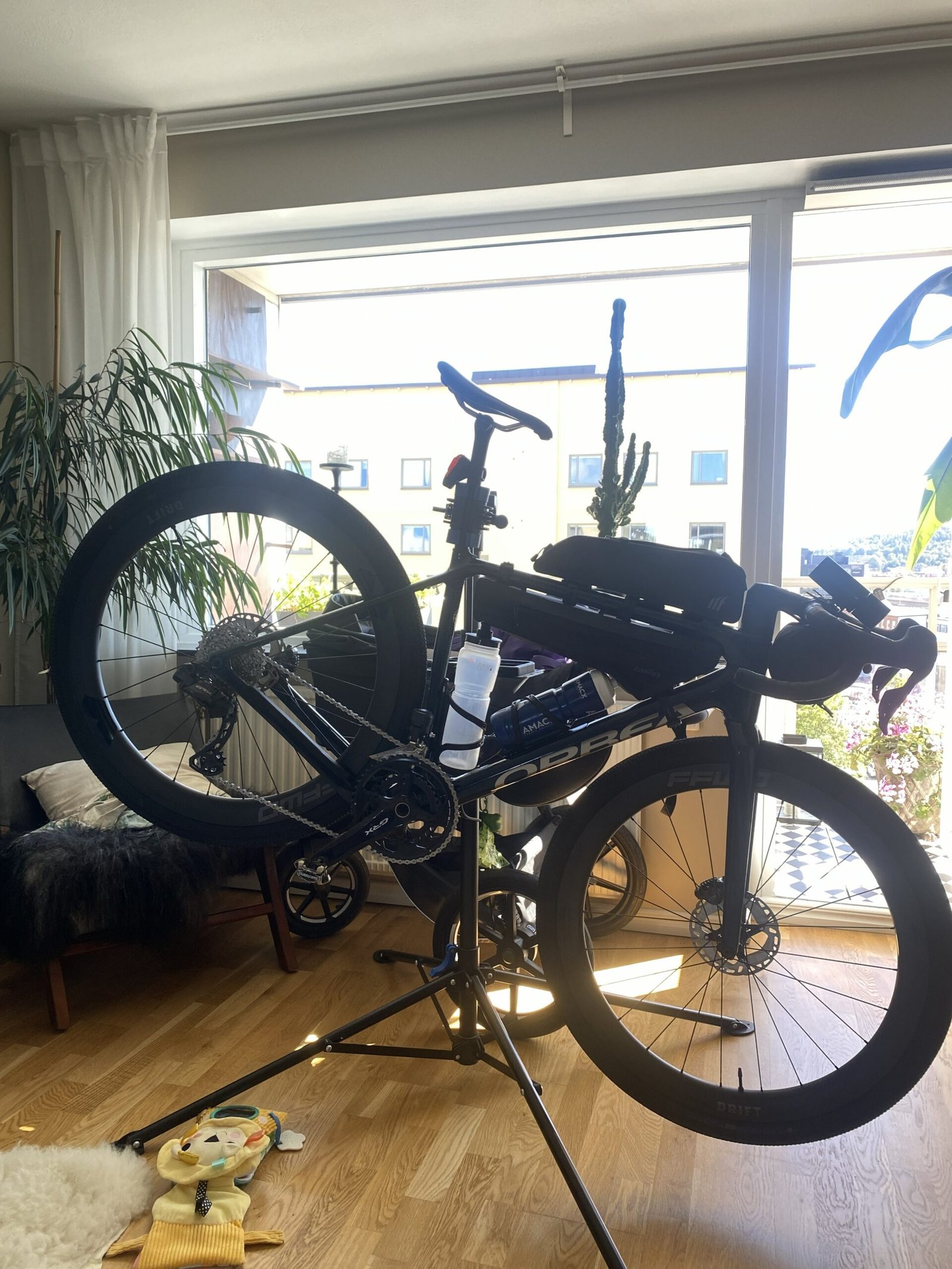
Our bikes were ready too: Orbea Terra gravel bikes equipped with Shimano GRX 12-speed drivetrains—gearing low enough, we hoped, for the brutal climbs ahead. We packed Tailfin bags, rolled on FFWD Drift Pace 38mm wheels, and mounted 45mm Hutchinson Touareg tyres, built for the kind of terrain BADLANDS is famous for.
By the time we arrived in Granada, we felt ready. As ready as you can be for something like this.
The Start – Into the Furnace
The morning of the start was strangely calm.
Rolling away from the hotel with a few other riders, nerves hummed quietly beneath the excitement. Months of preparation had led to this moment. Around 300 riders gathered in Granada’s early morning light, bikes loaded and headlights blinking in the half-awake city.
At 8:00 a.m. the group rolled out together, gliding through the silent streets before the road tilted upward.
It didn’t take long.
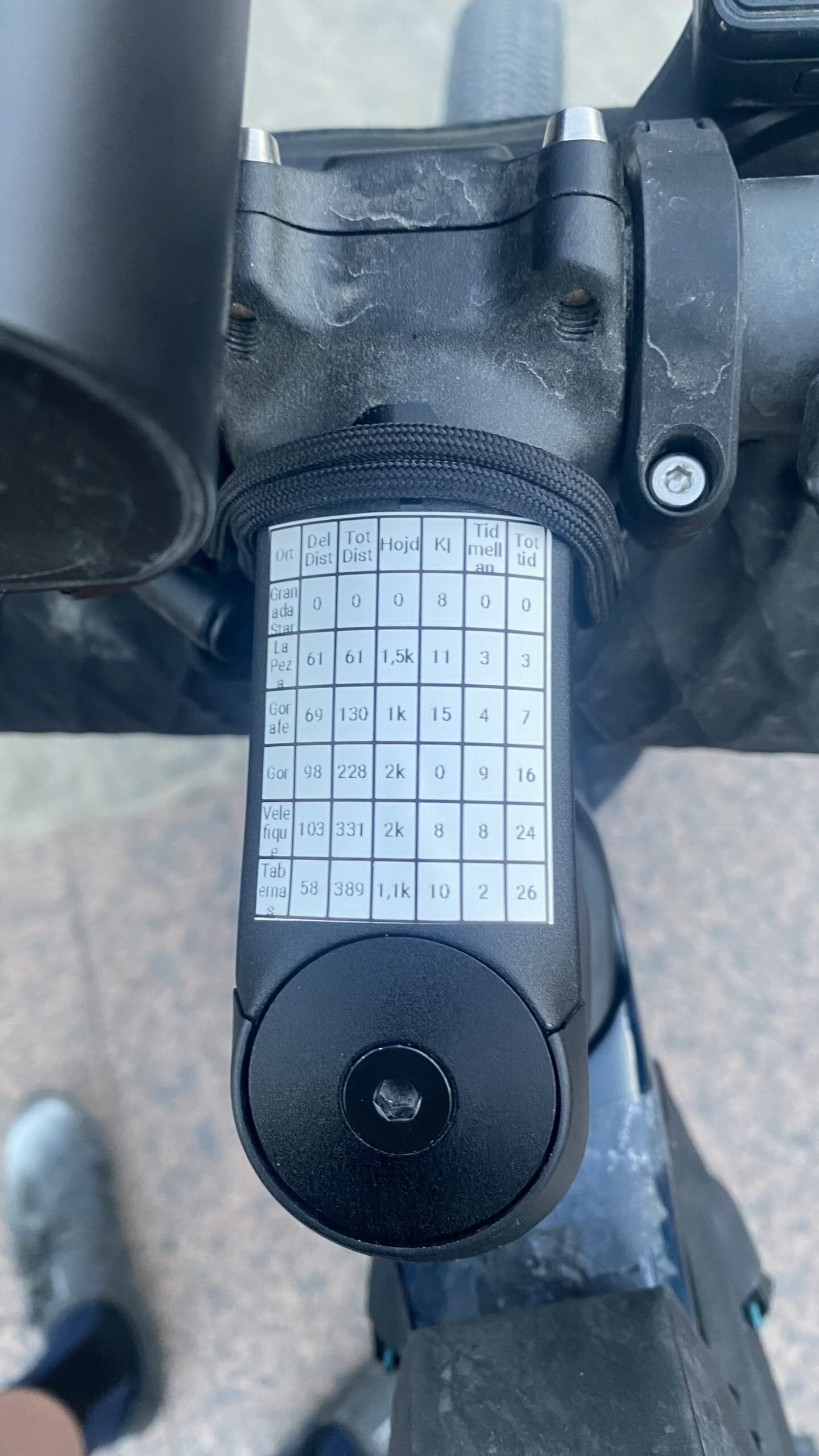
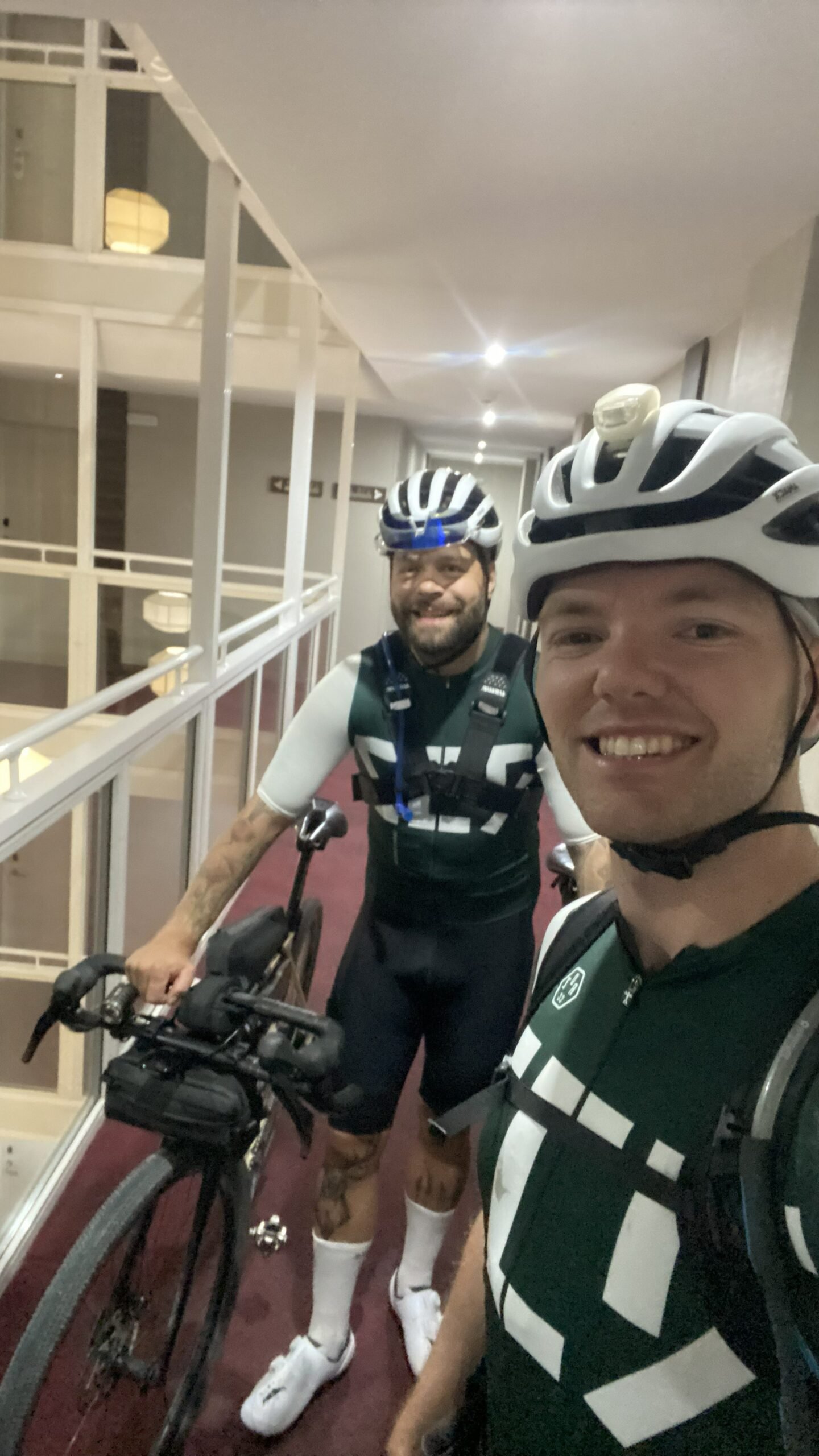
Granada disappeared behind us as the route began its first long climb. The strongest riders surged ahead, scattering up the mountain like sparks. The rest of us settled into a steadier rhythm, reminding ourselves that 820 kilometres leaves plenty of time for mistakes.
Still, the field stretched quickly. Small groups formed, dissolved, reformed.
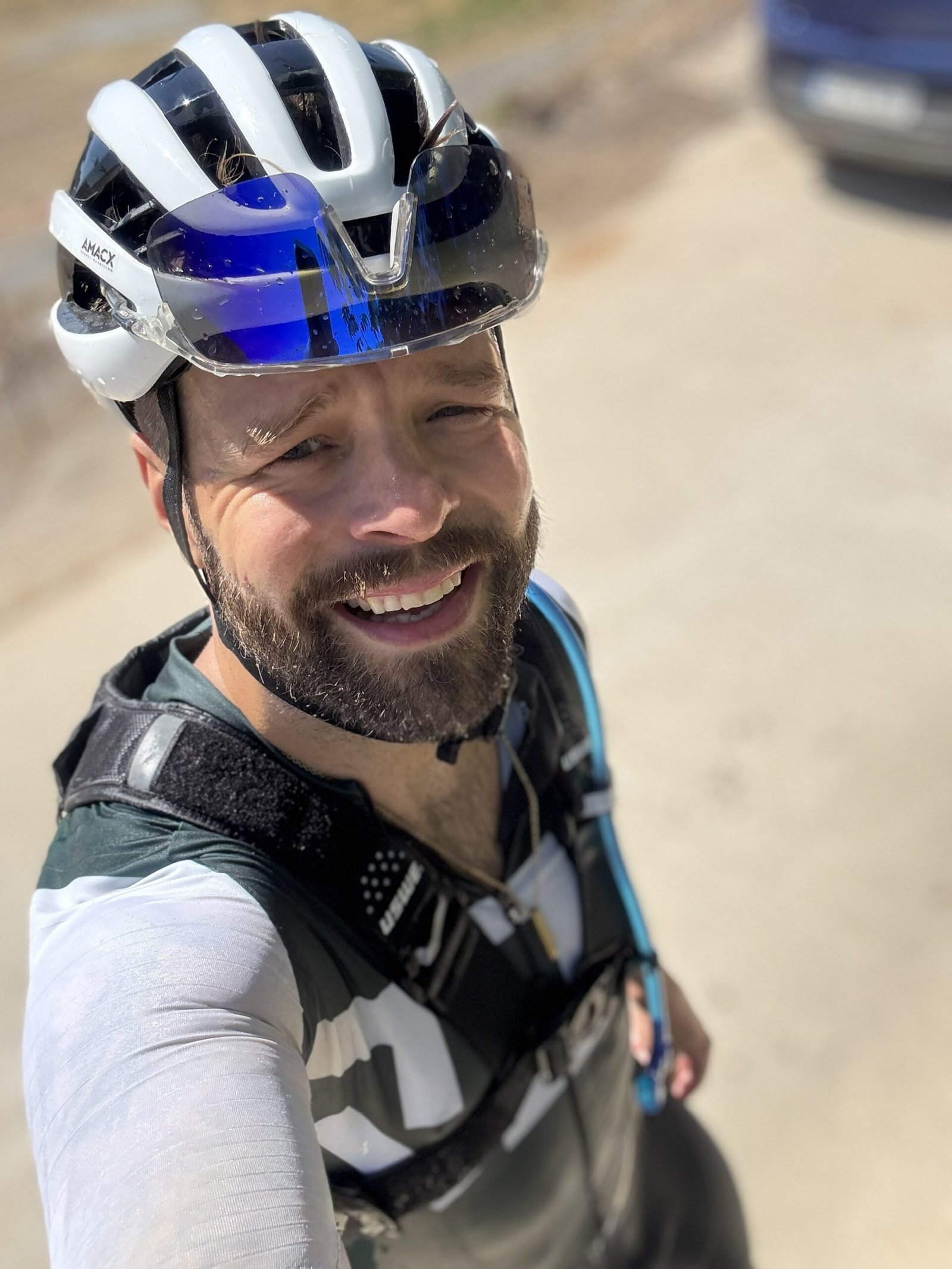
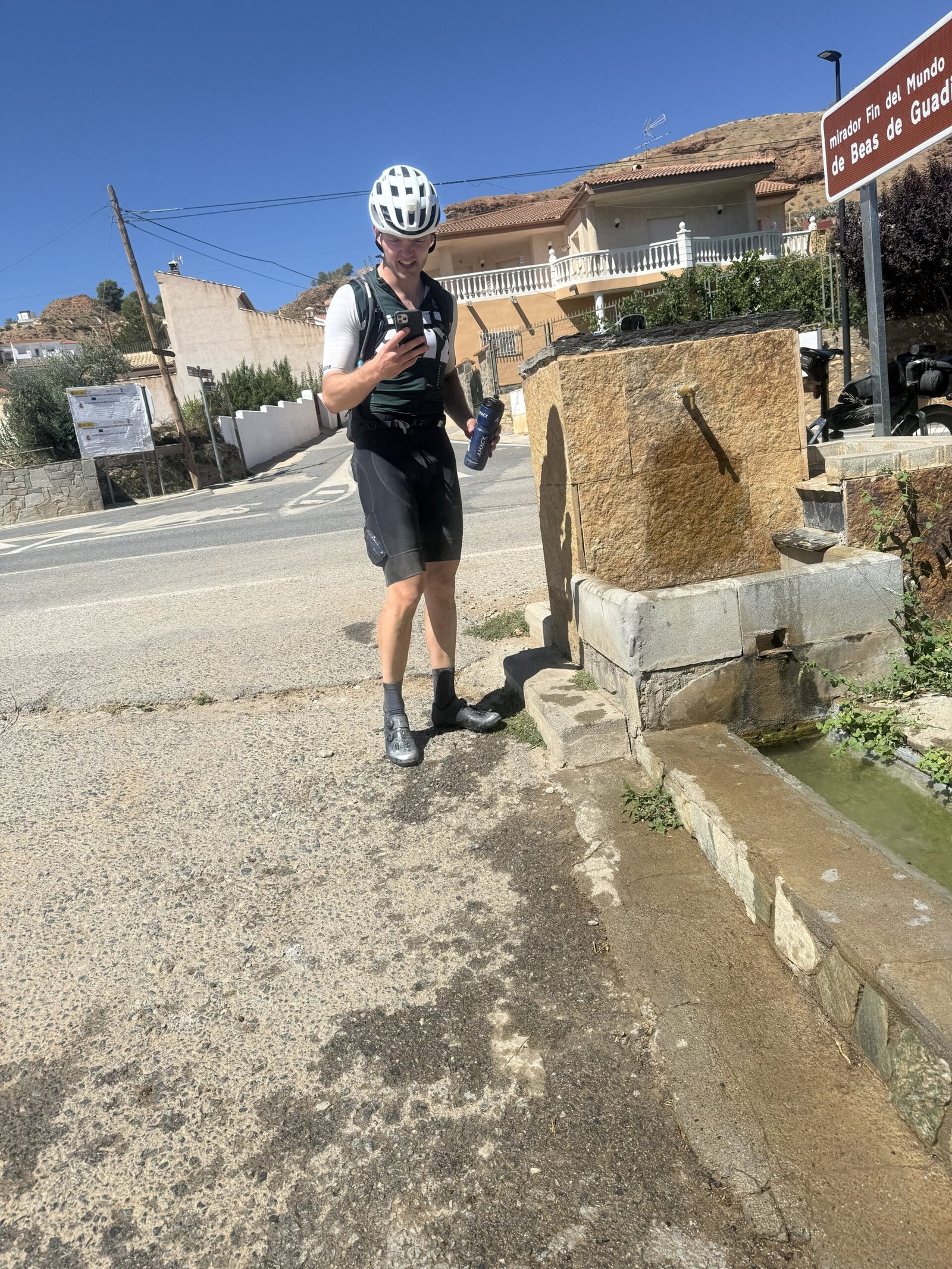
El Mirador del Fin del Mundo
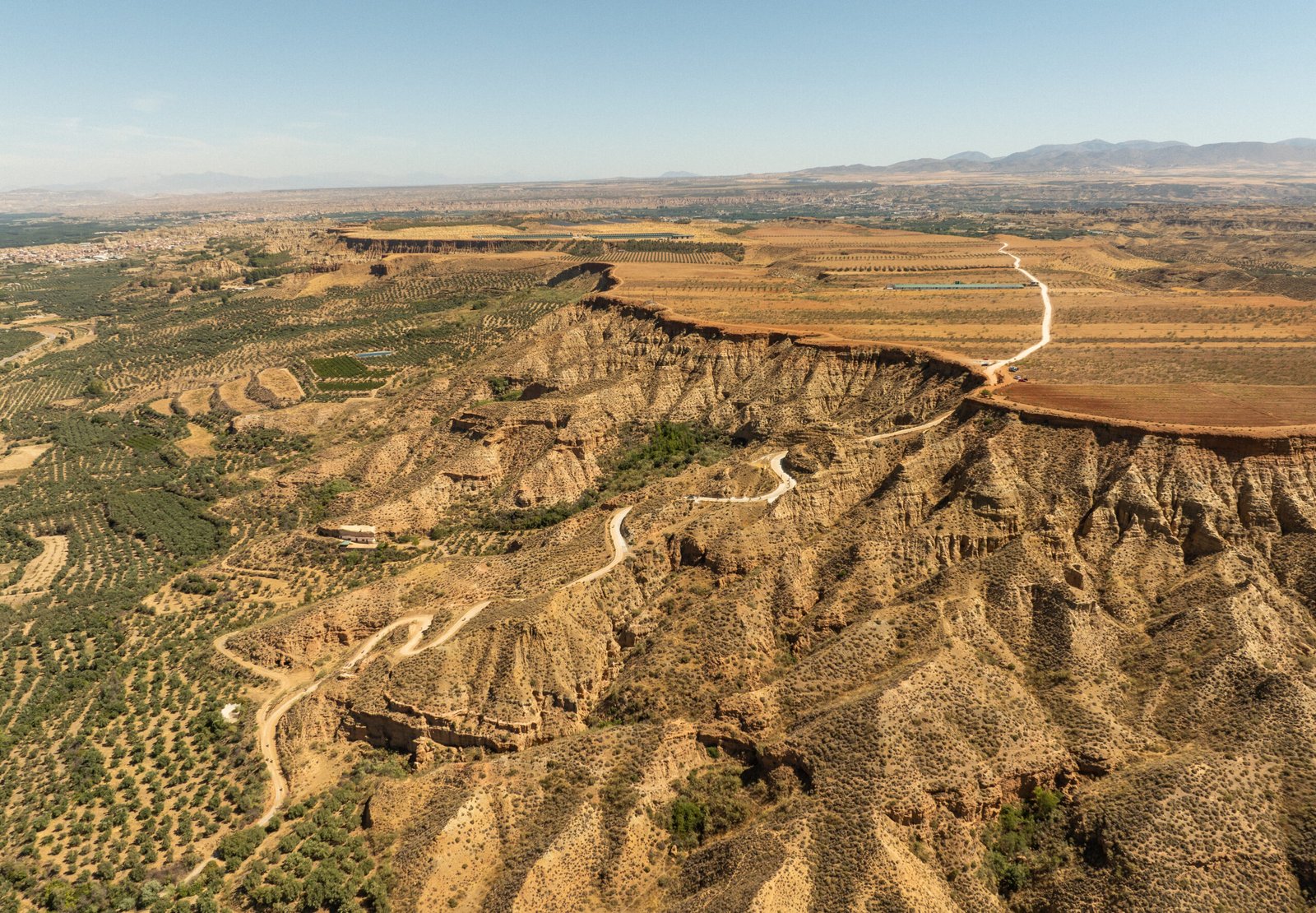
After nearly two hours of climbing, we crested the ridge and pointed toward the first real test of BADLANDS: El Mirador del Fin del Mundo—the “End of the World” viewpoint.
The name felt appropriate.
The First Test
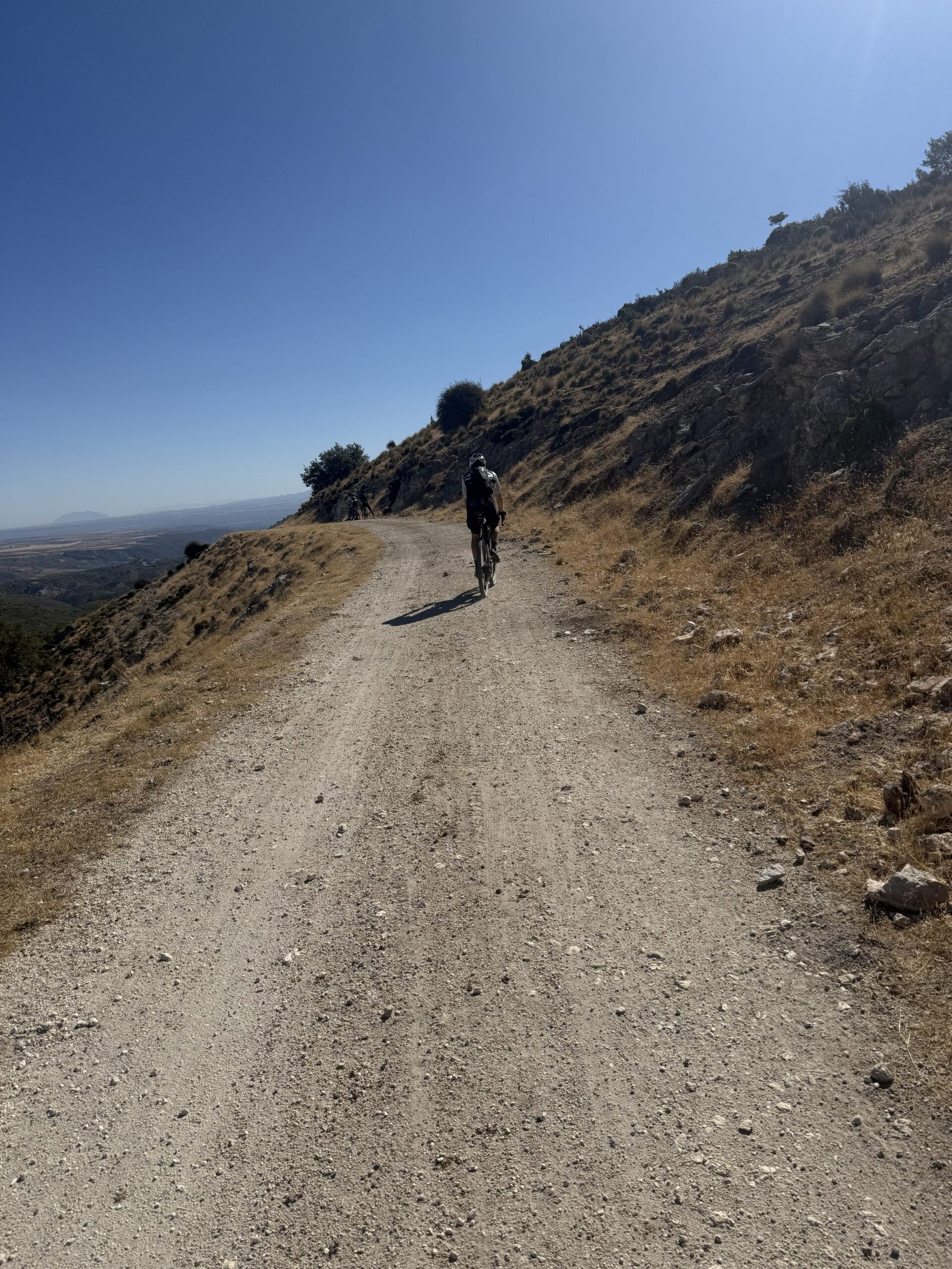
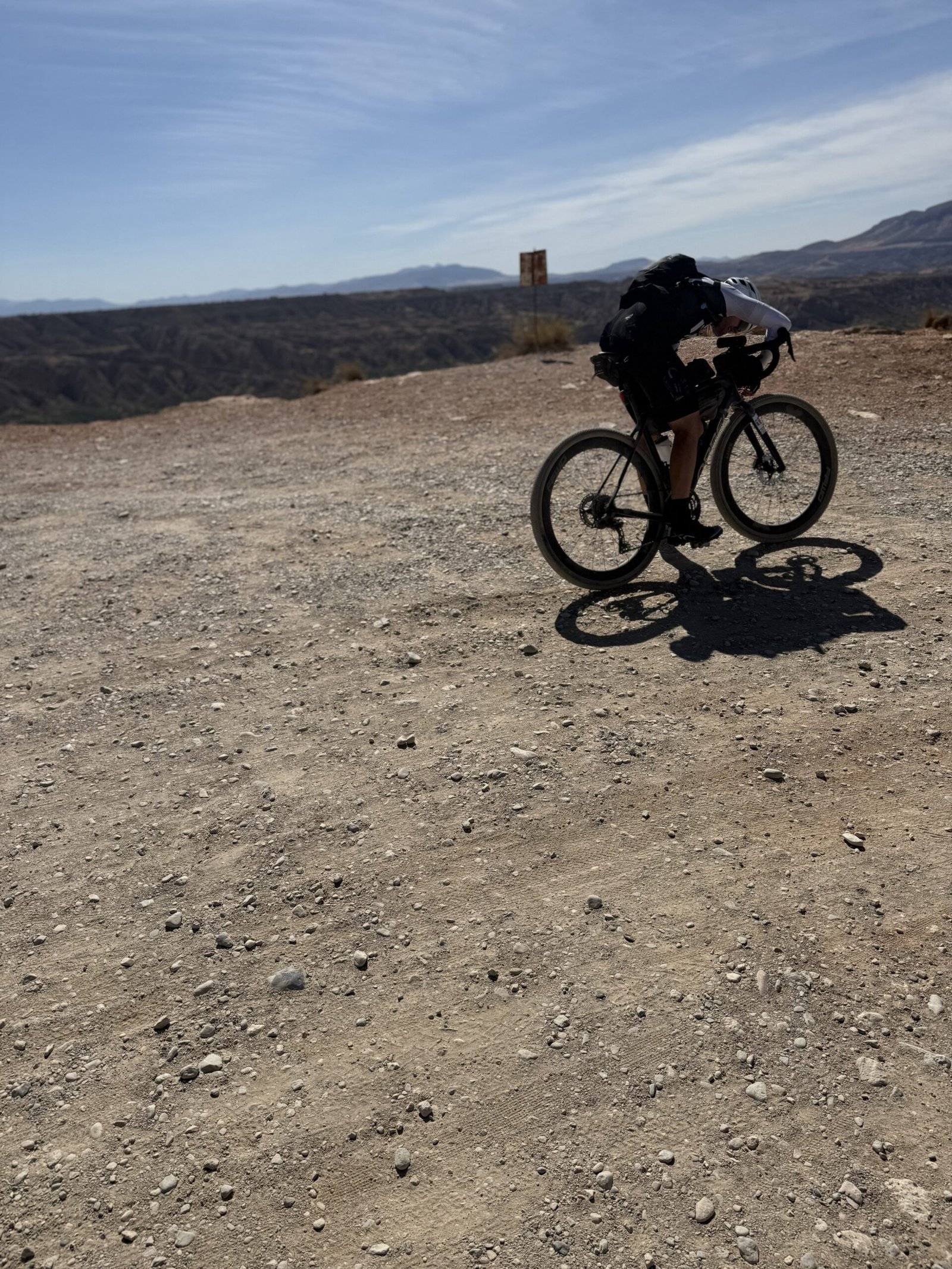
The climb was savage.
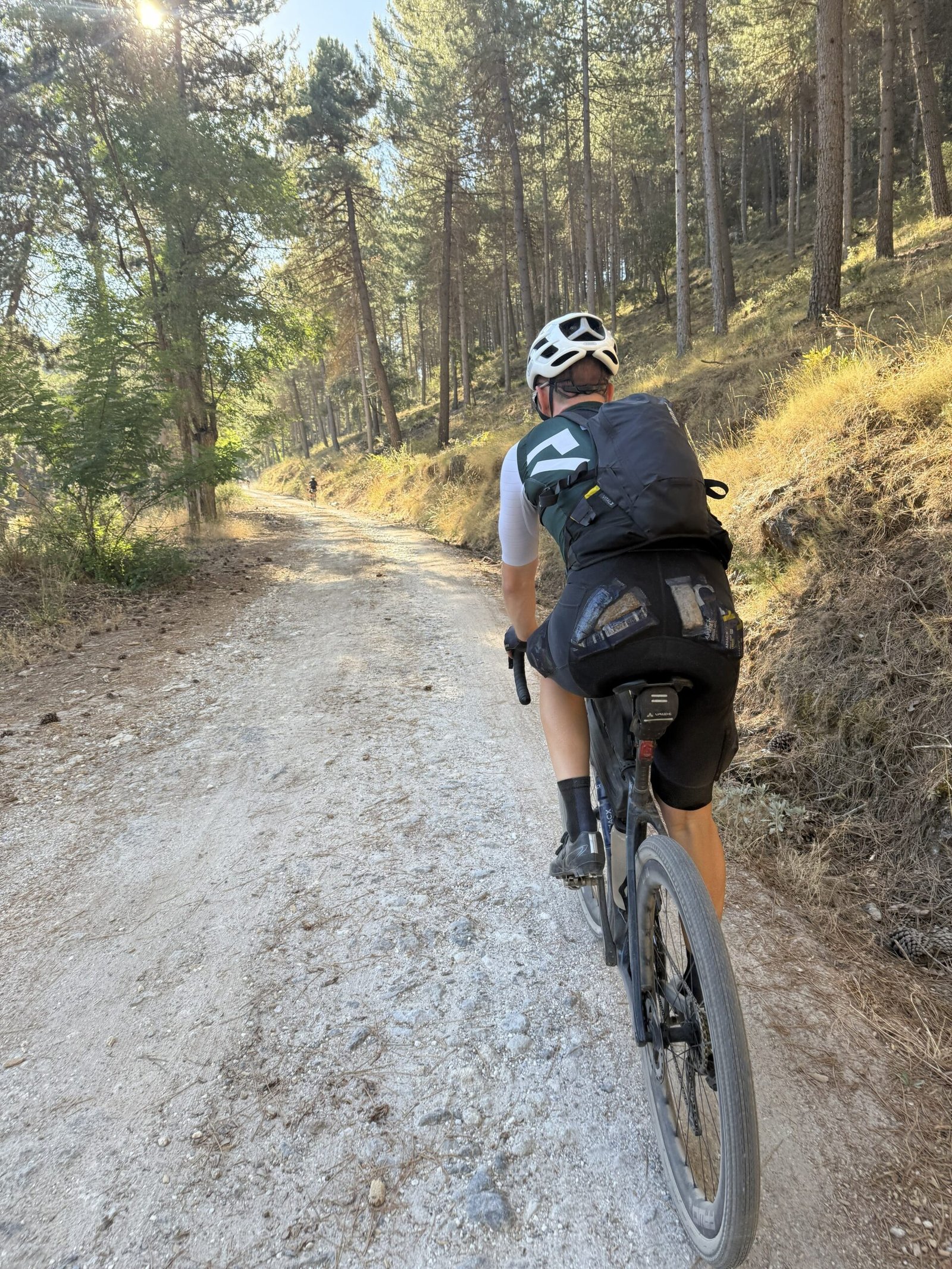
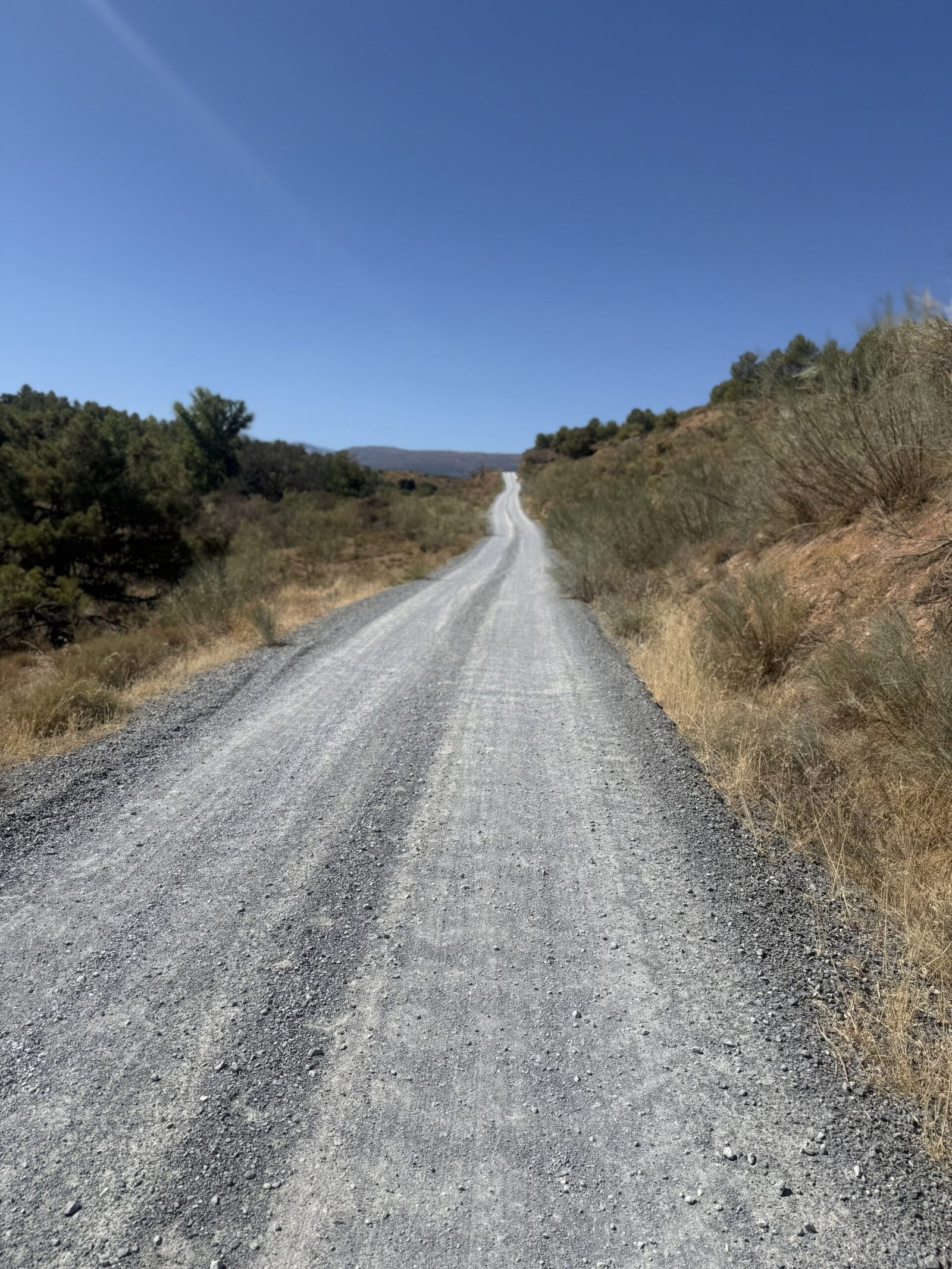
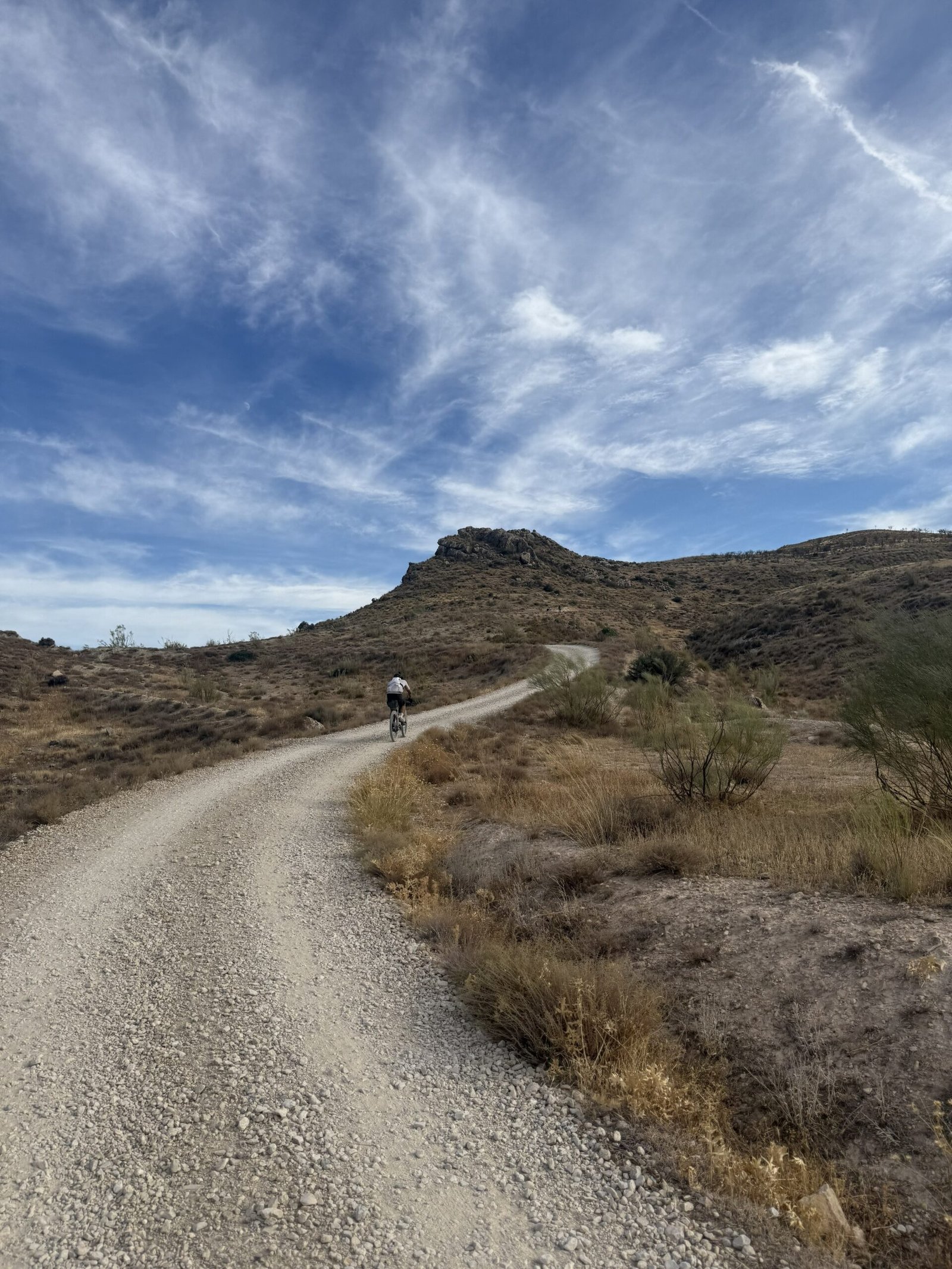
Under a brutal midday sun the road kicked skyward in loose gravel ramps that seemed designed specifically to test gearing—and patience. We started strong, grinding upward, but eventually the gradient won.
Even with our lowest gears engaged, the legs stalled.
We stepped off and began to push.
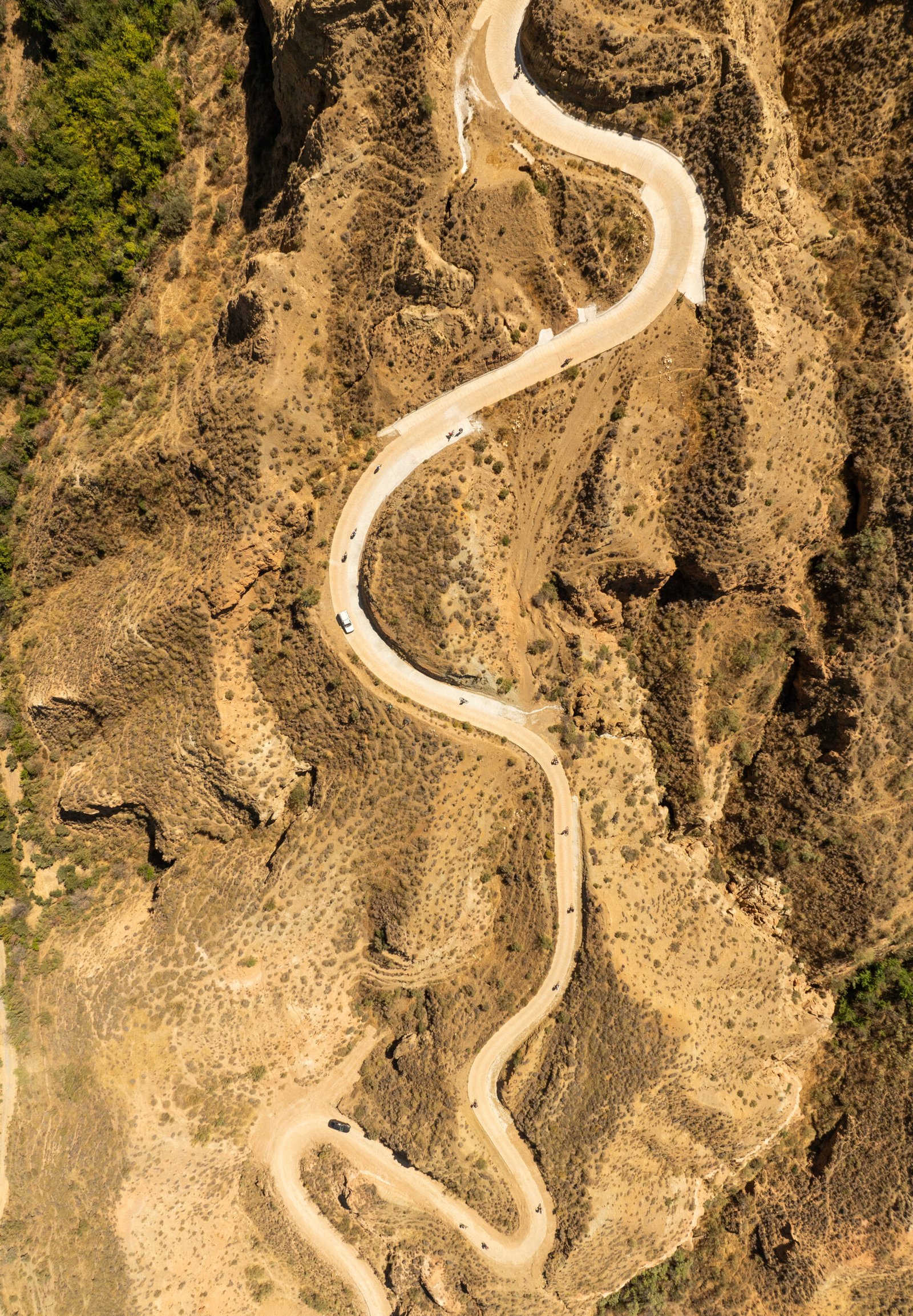
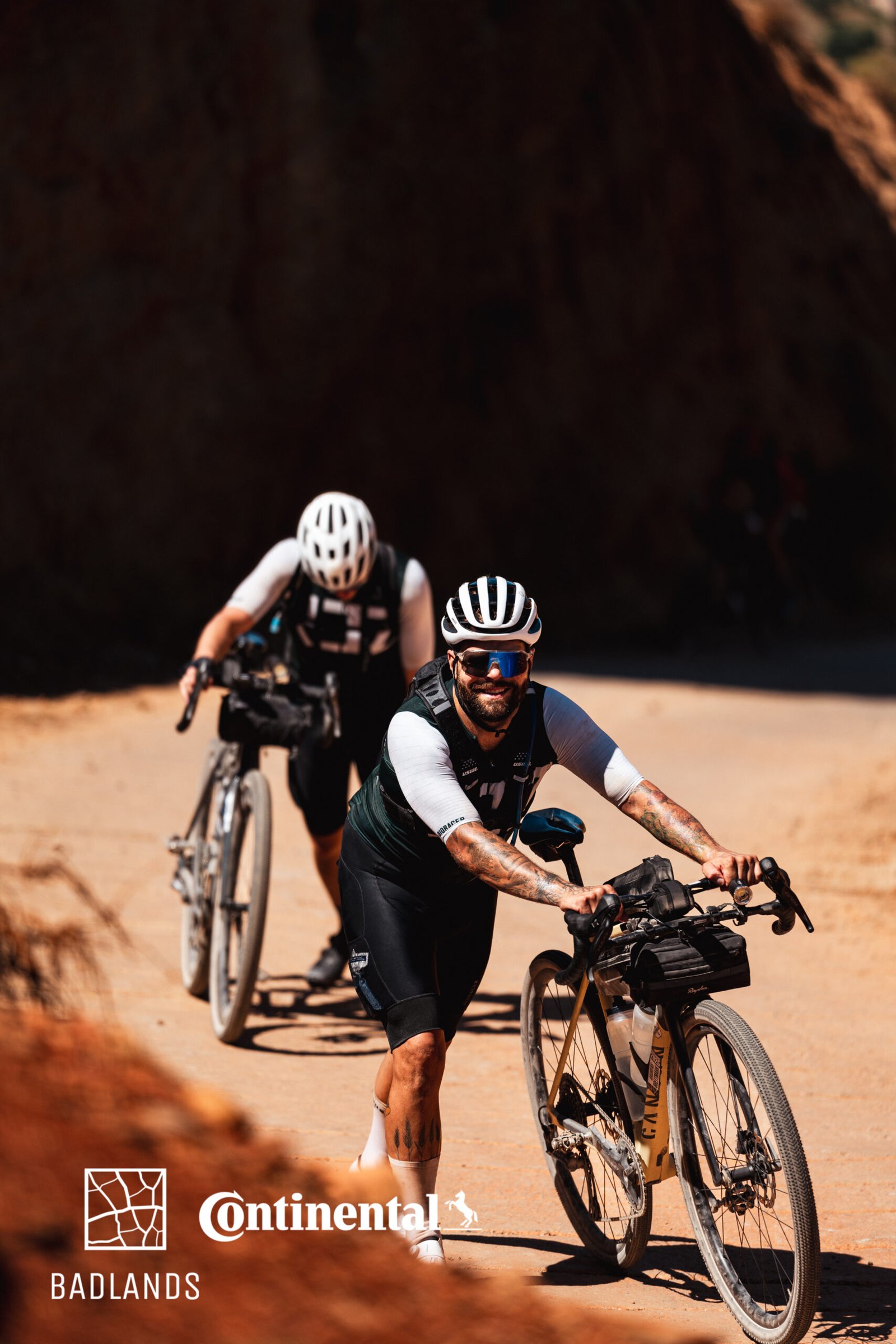
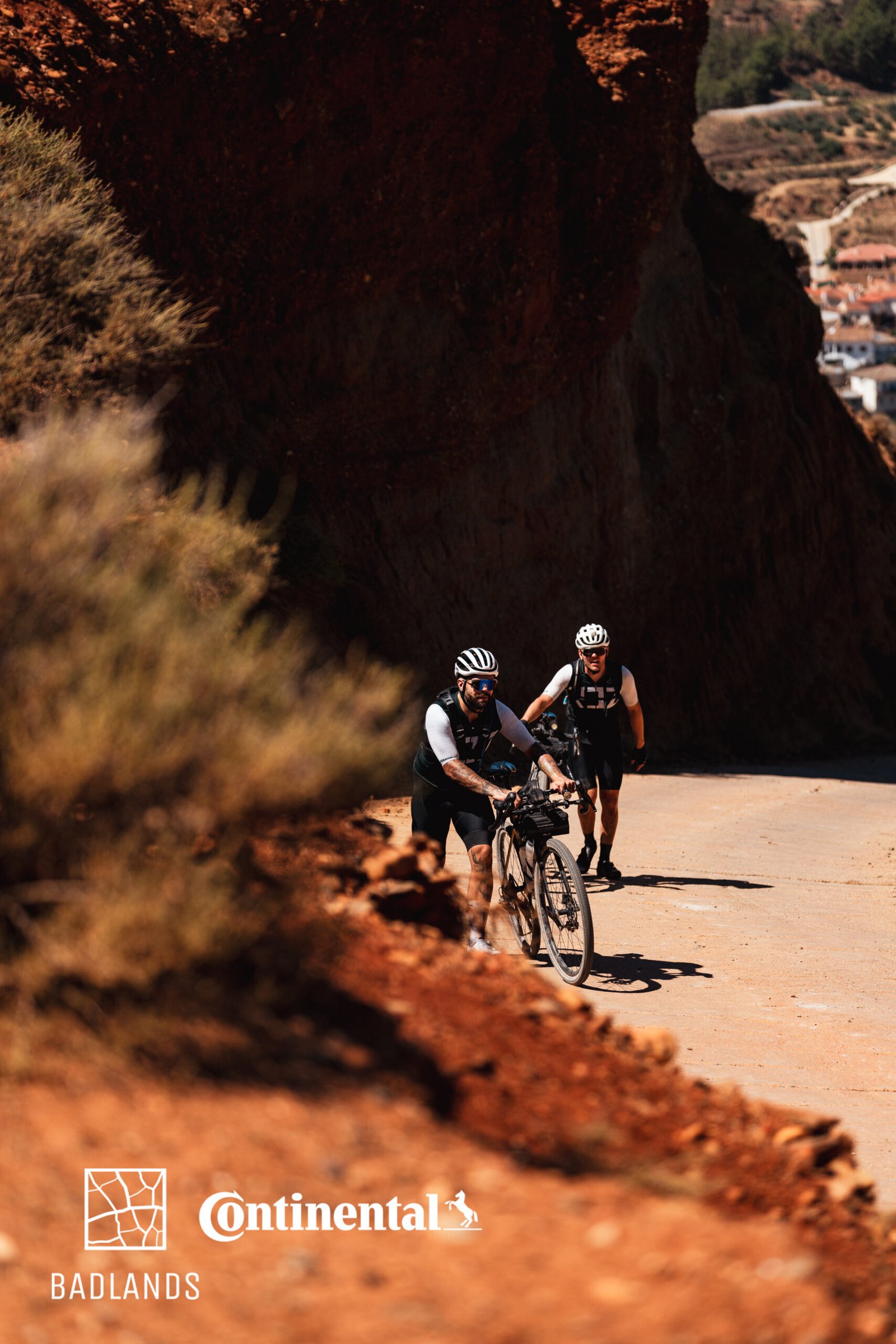
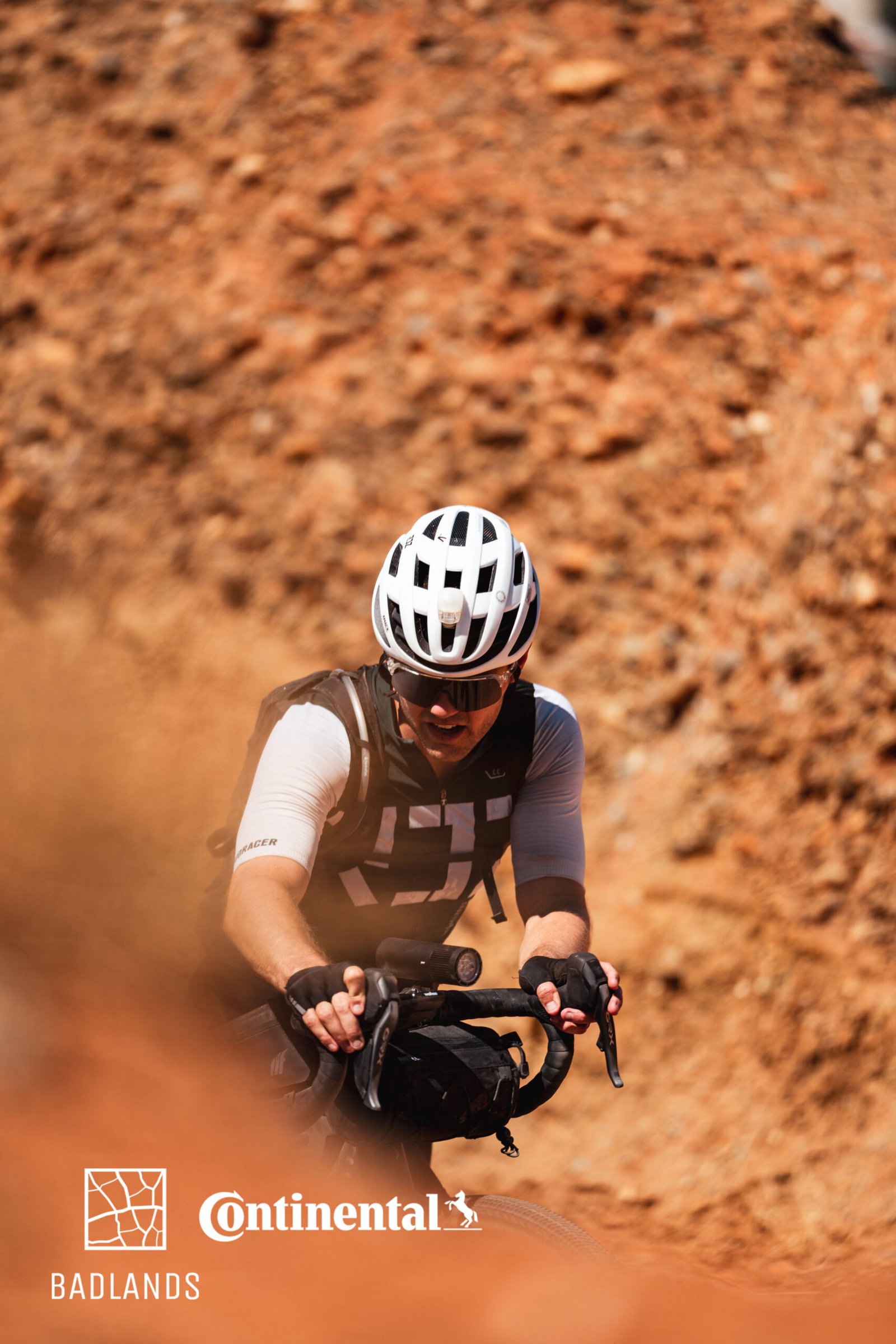
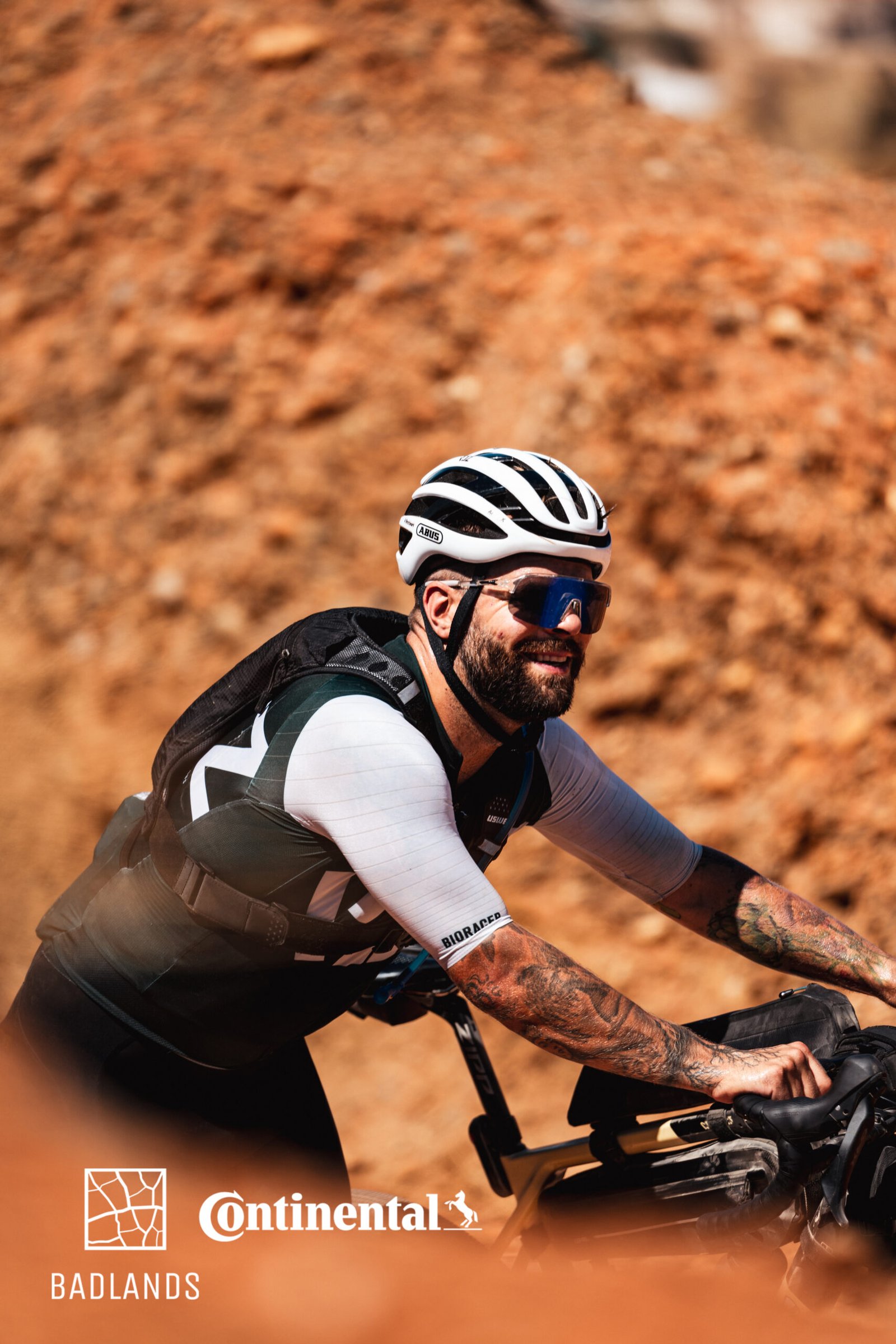
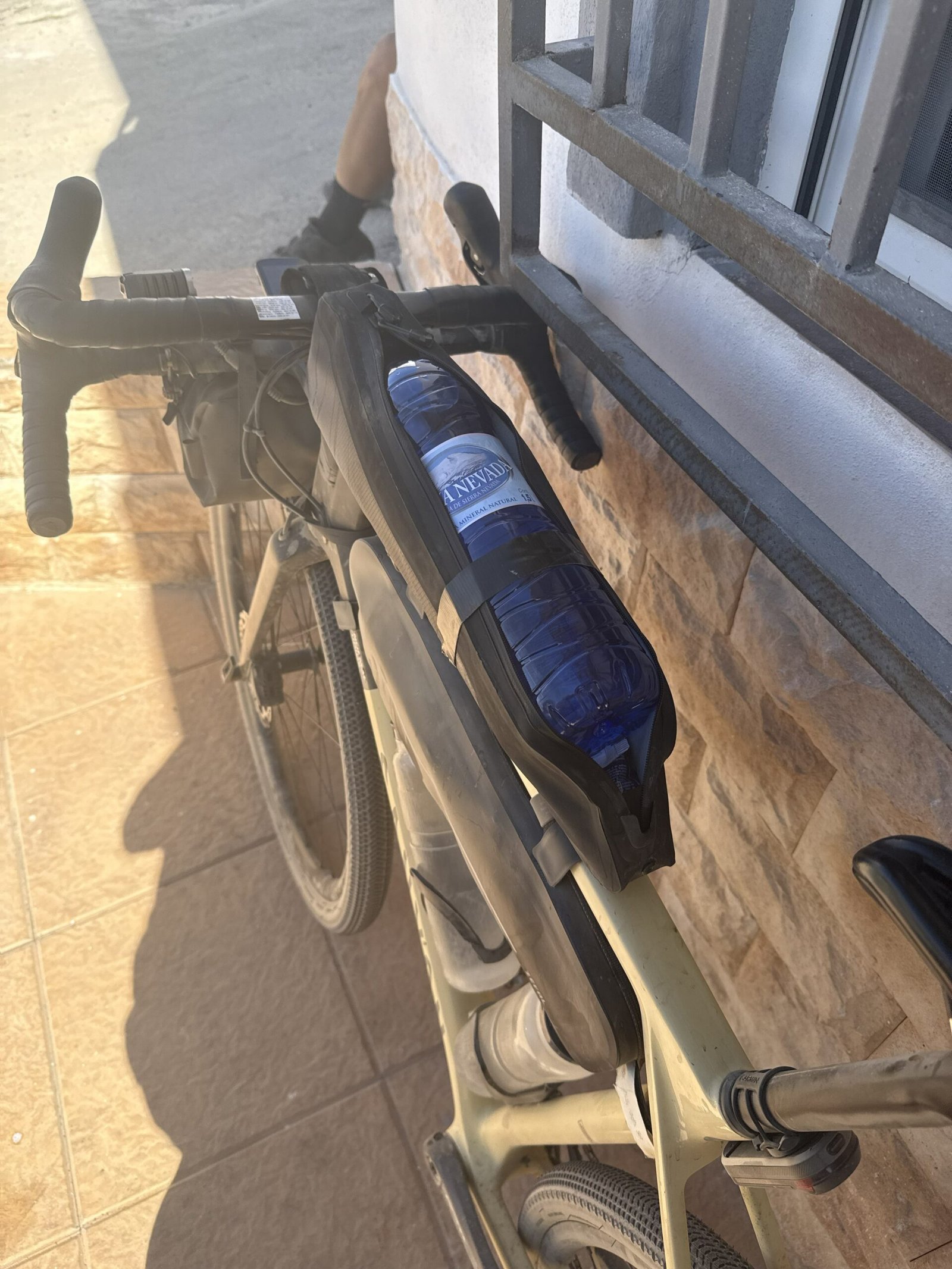
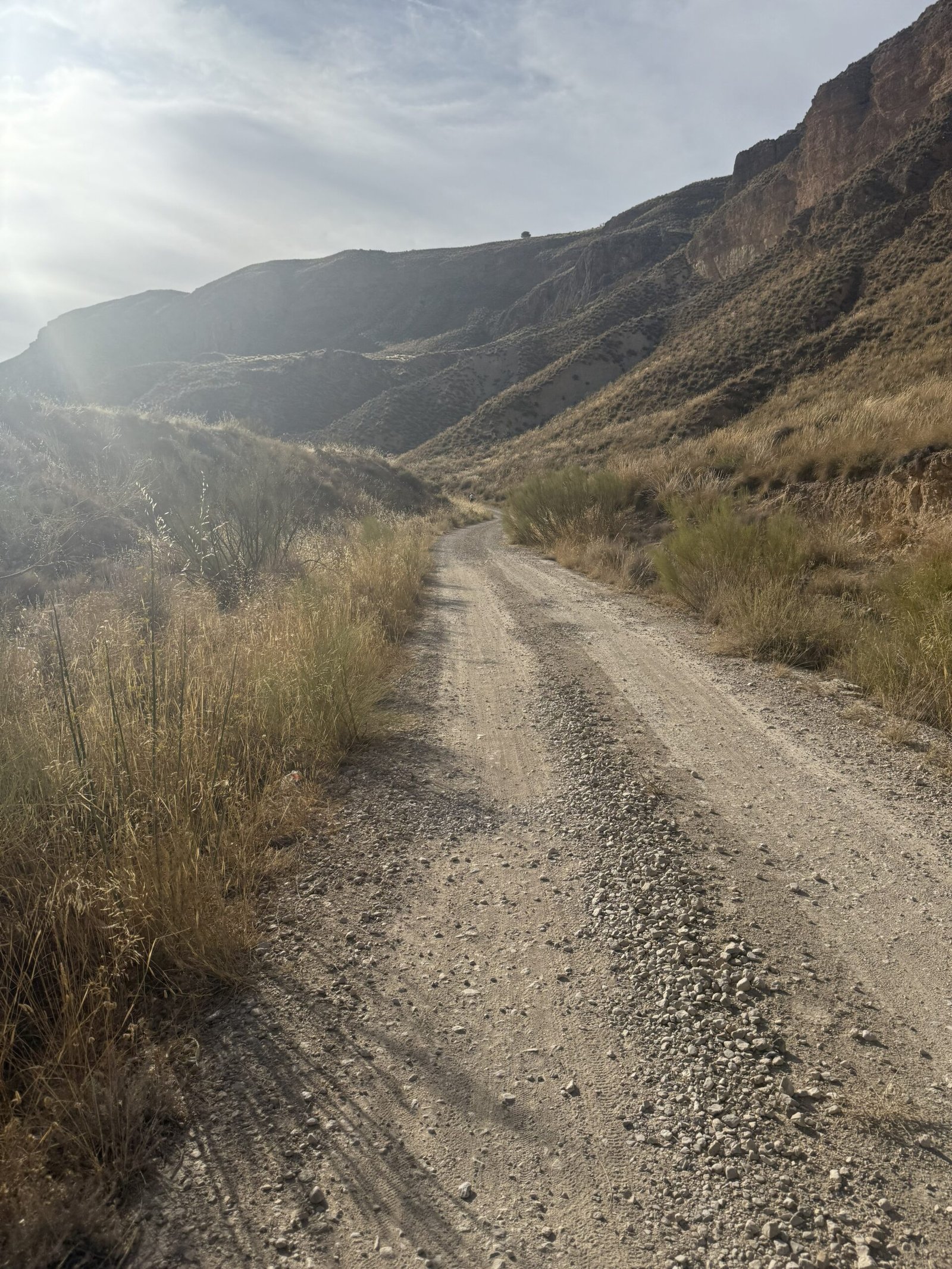
There was almost no shade. The sun pressed down relentlessly, heat radiating off the pale dust and rock. Bottles emptied faster than we could refill them, and every patch of shadow became an excuse to pause, breathe, and cool down.
And it was still day one.
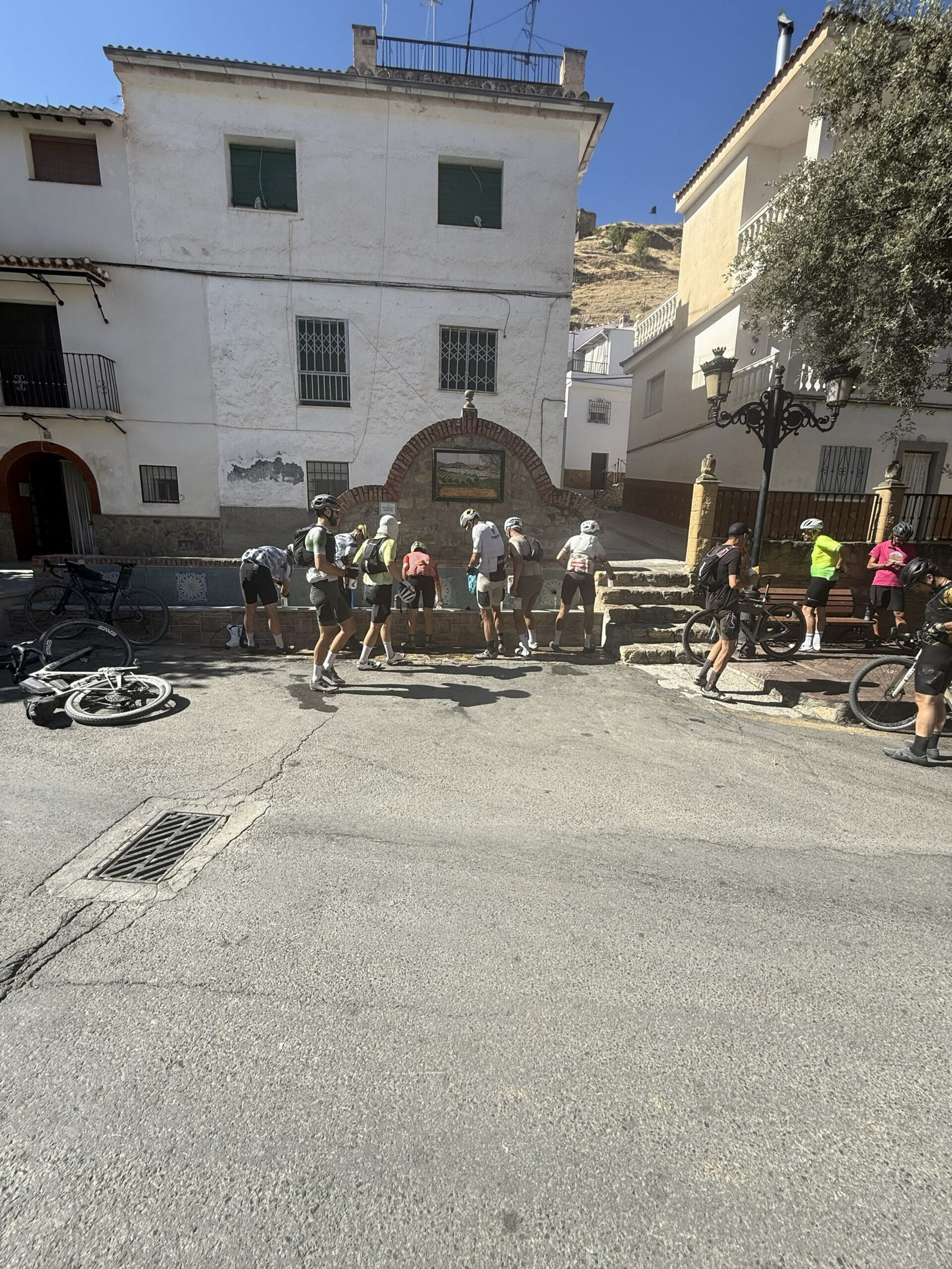
At roughly 130 kilometres, we rolled into Gorafe, just before the entrance to the Gorafe Desert. By then the heat had started to bite deeply. Power numbers dropped. Concentration faded.
We collapsed into the shade of a few trees, spending twenty quiet minutes refilling bottles and trying to lower our core temperature before heading into the desert.
We knew the next section would be harder.
The Gorafe Desert
Climbing out of Gorafe, a local bike shop handed us slices of fresh watermelon—a small but glorious gift in the heat.
Then the desert began.
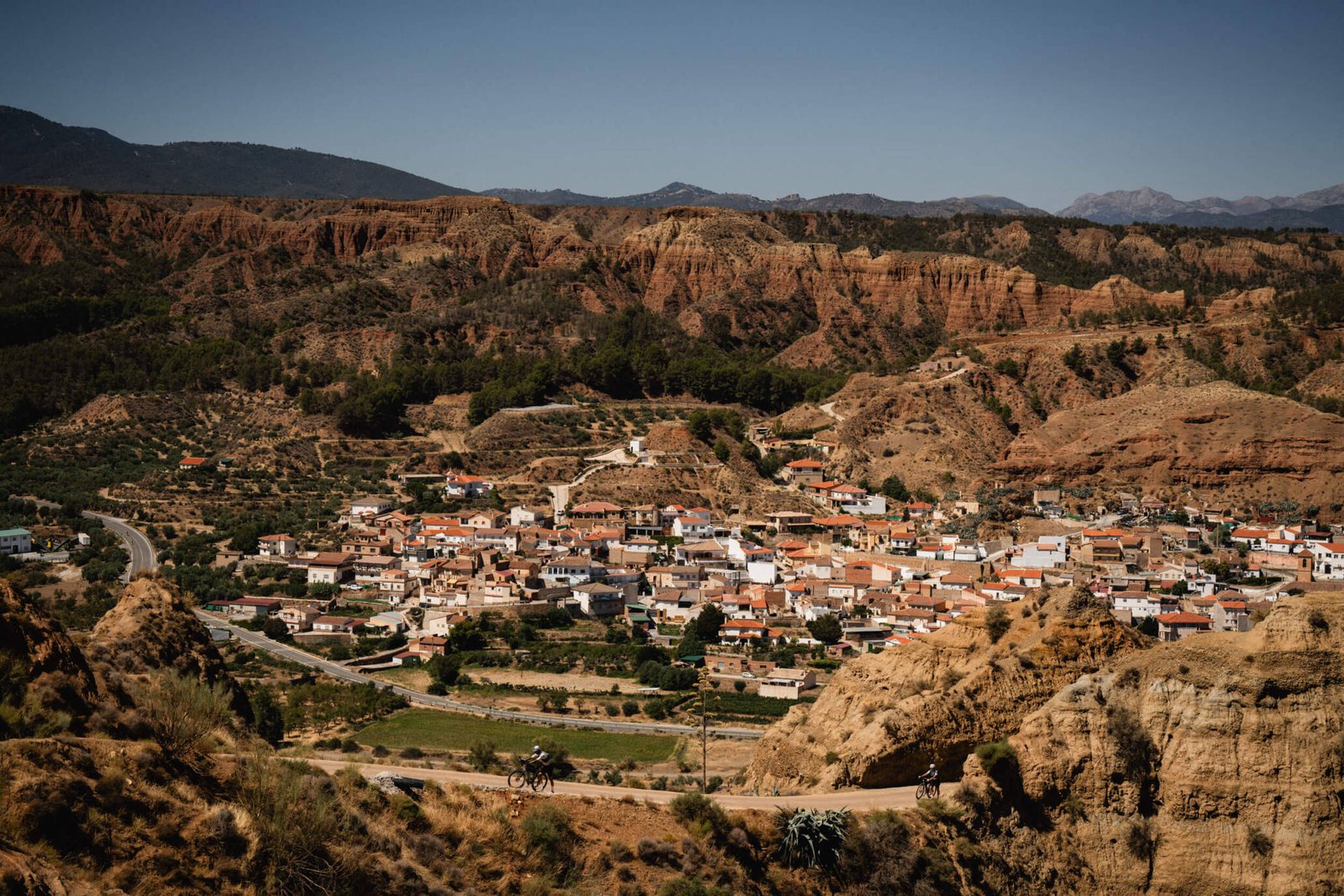
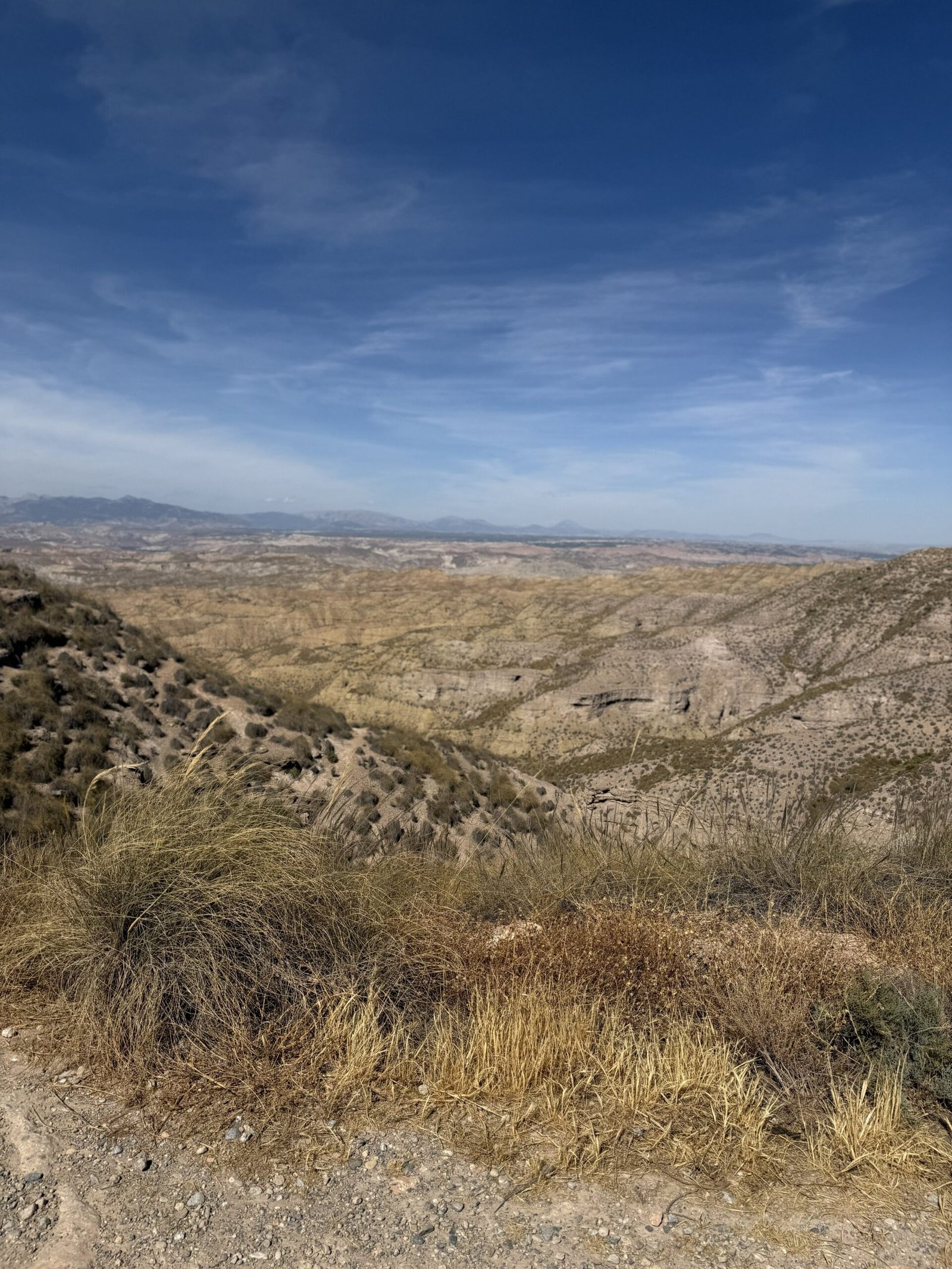
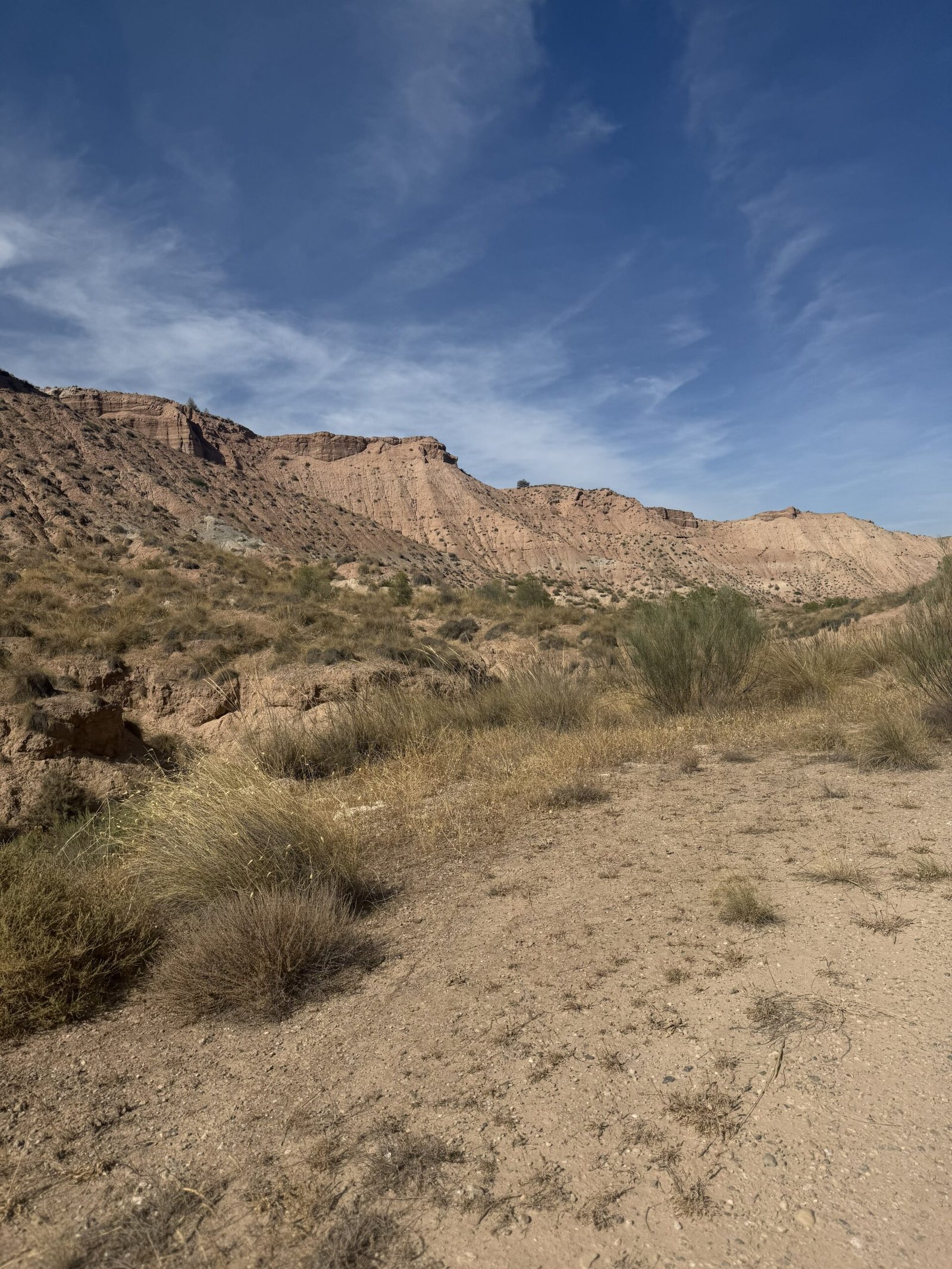
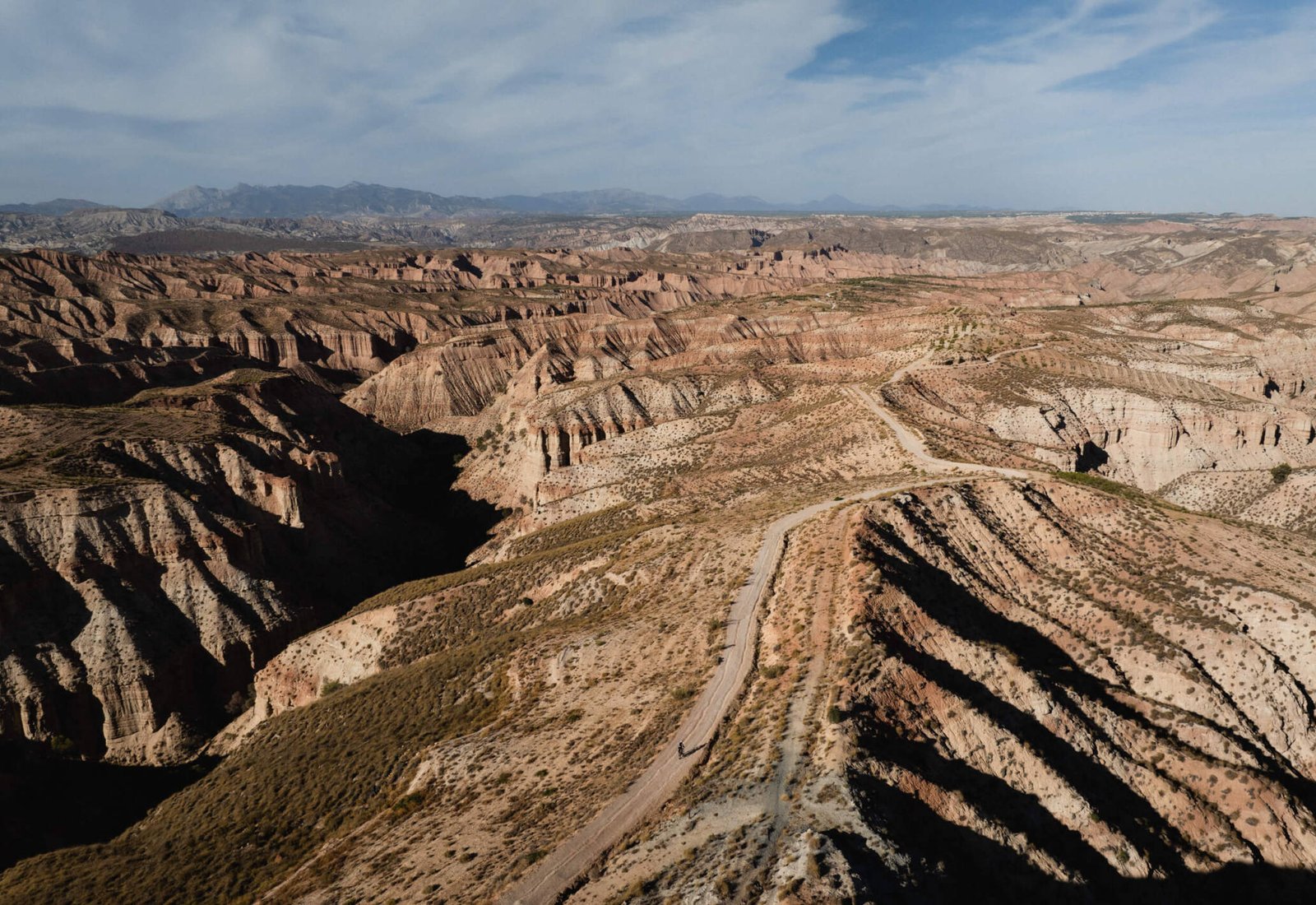
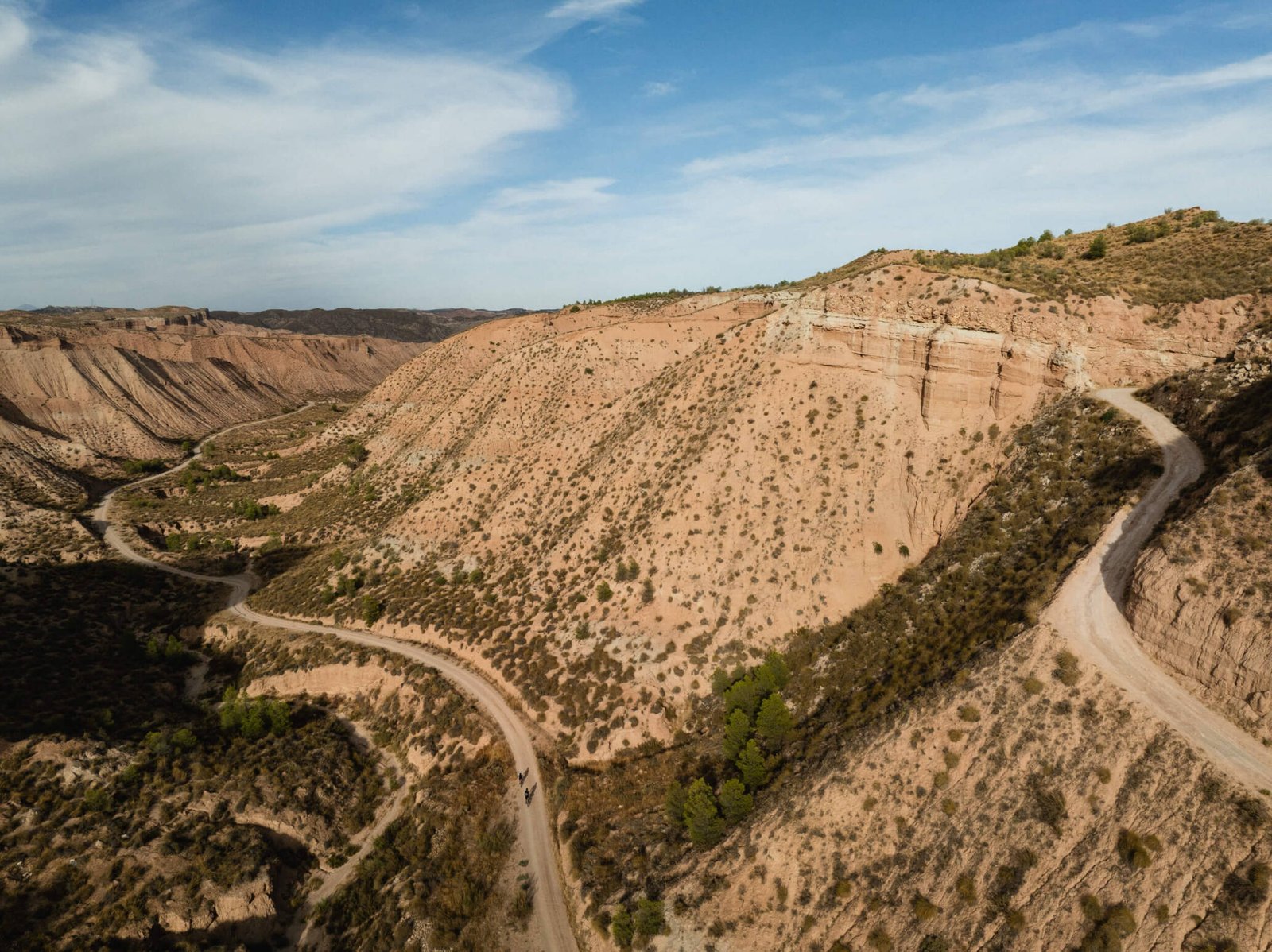
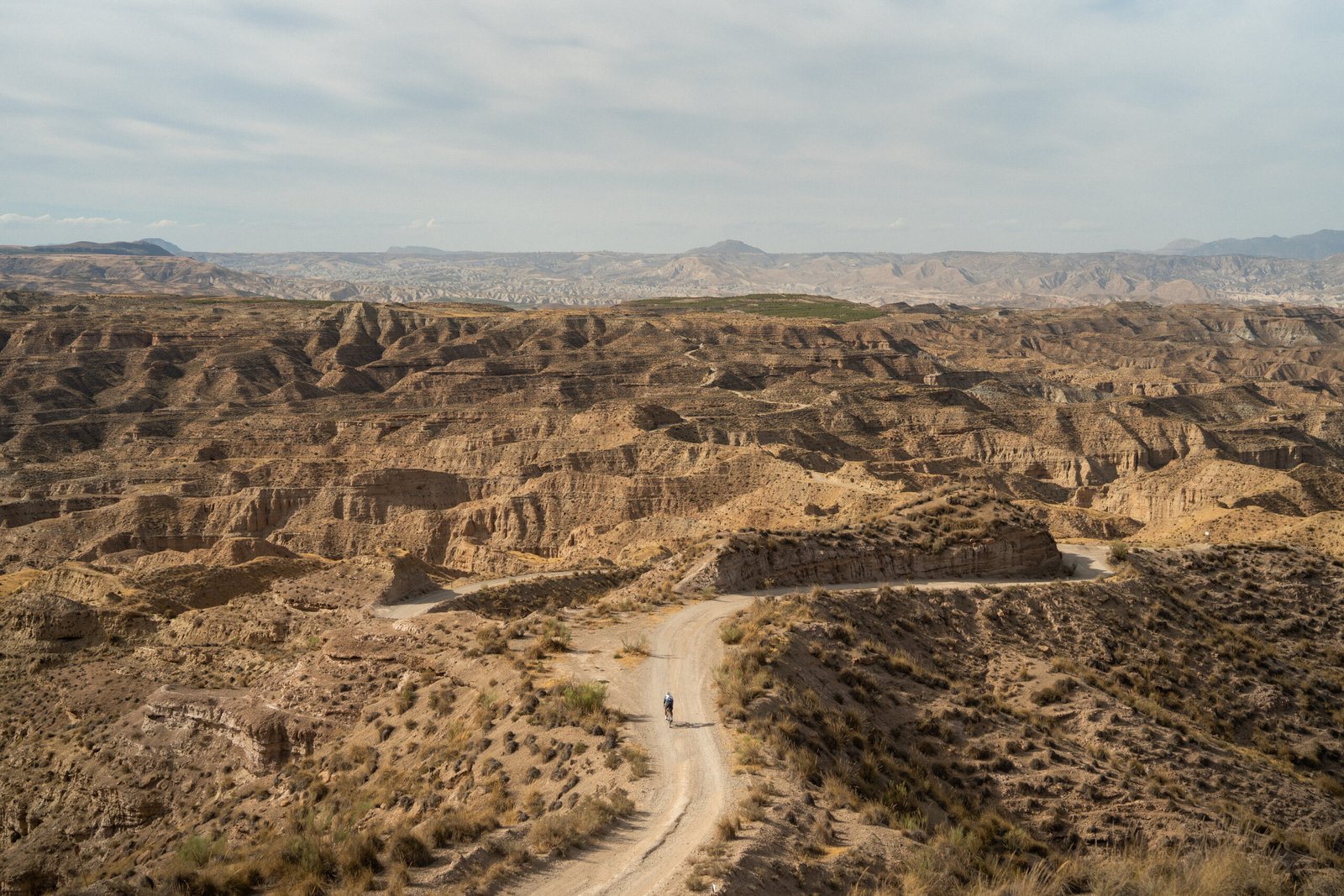
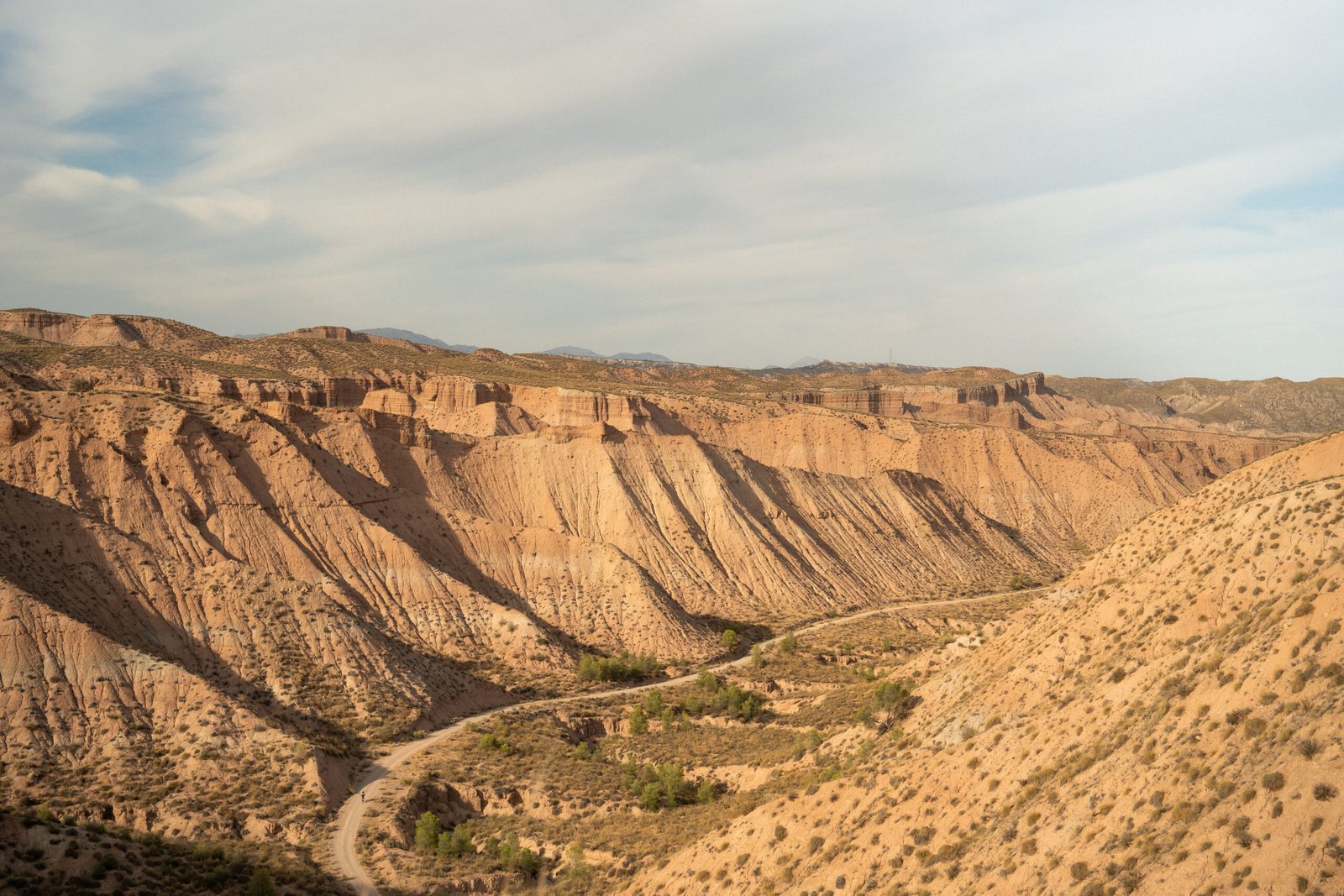
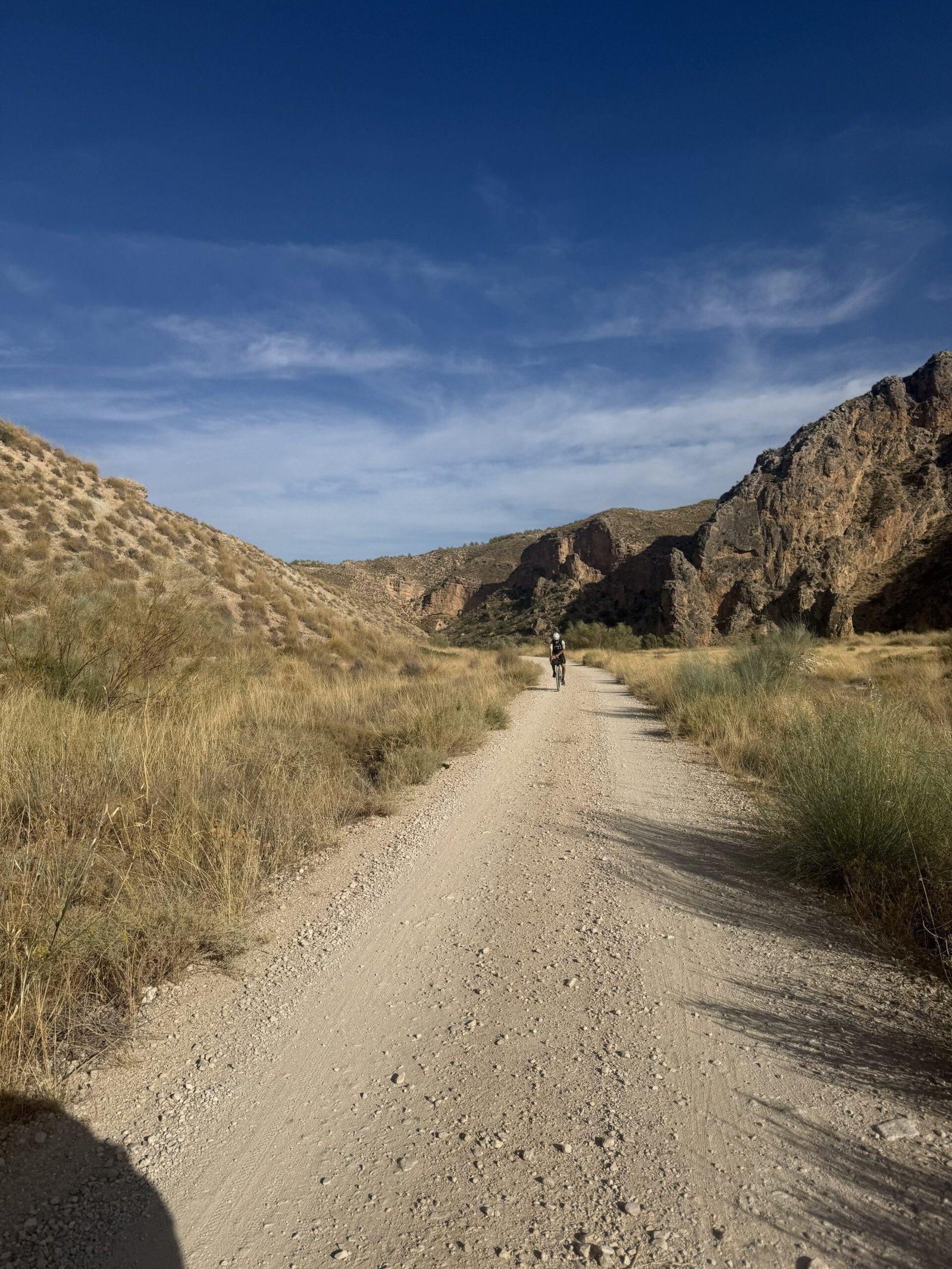
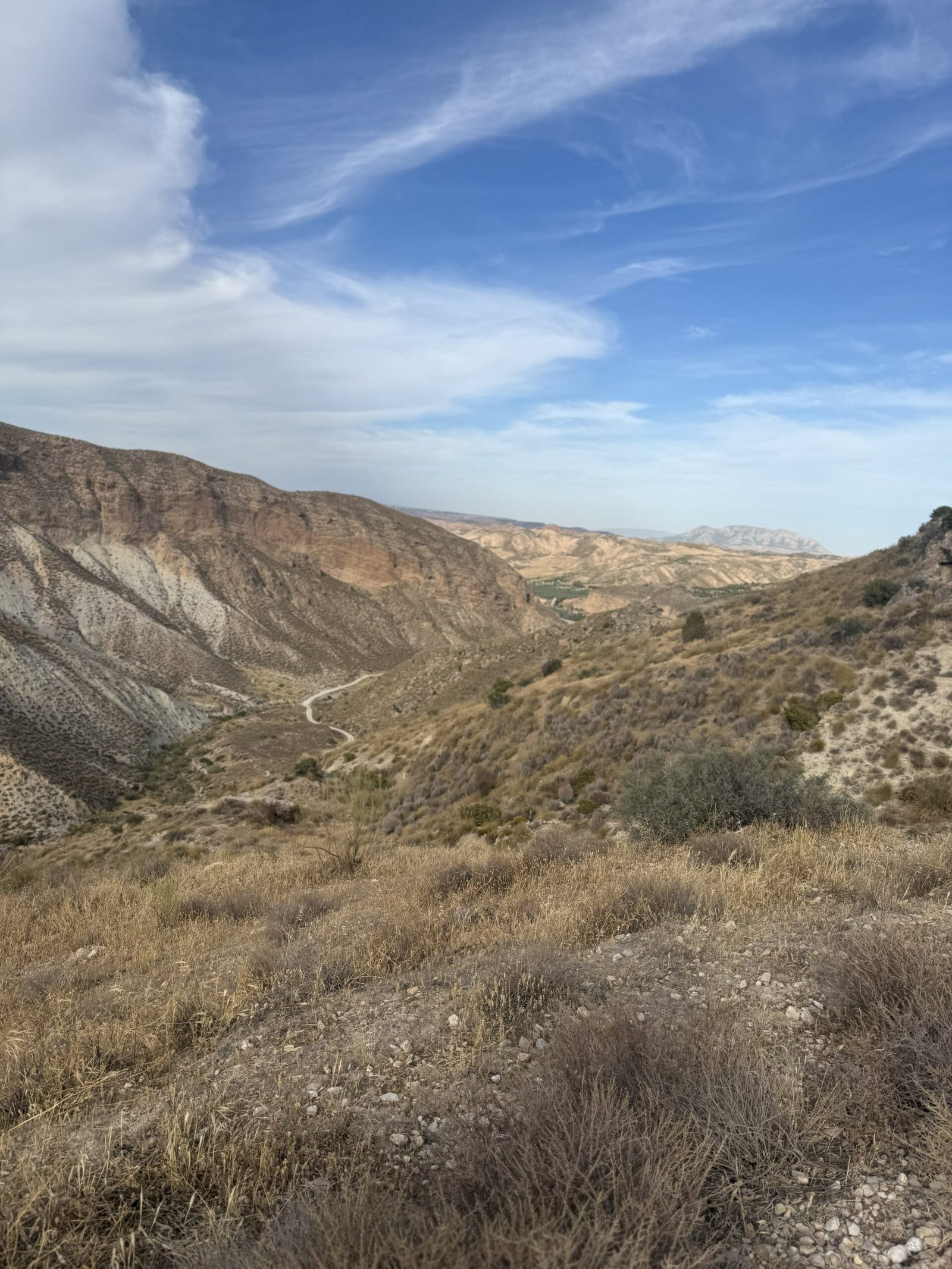
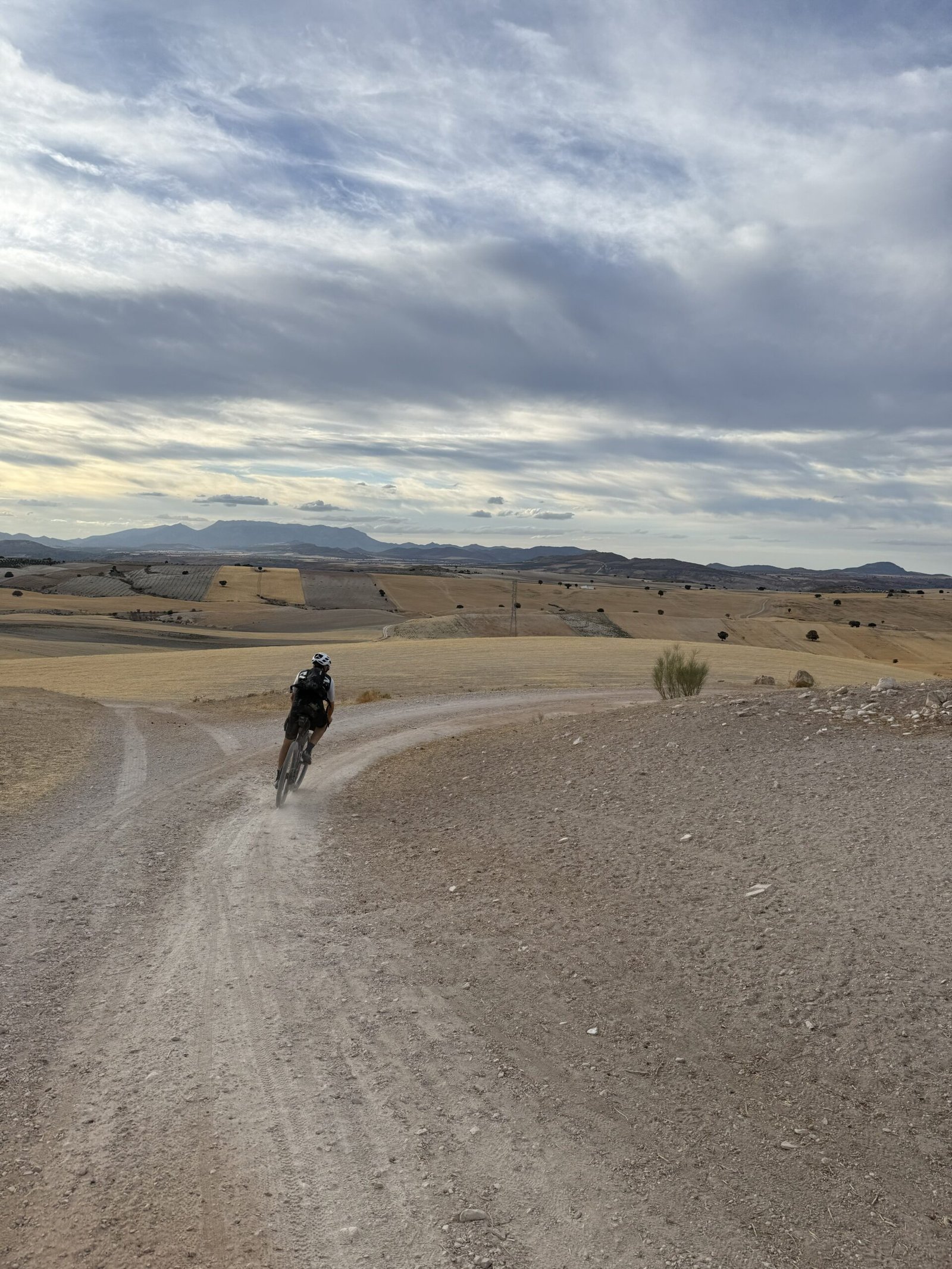
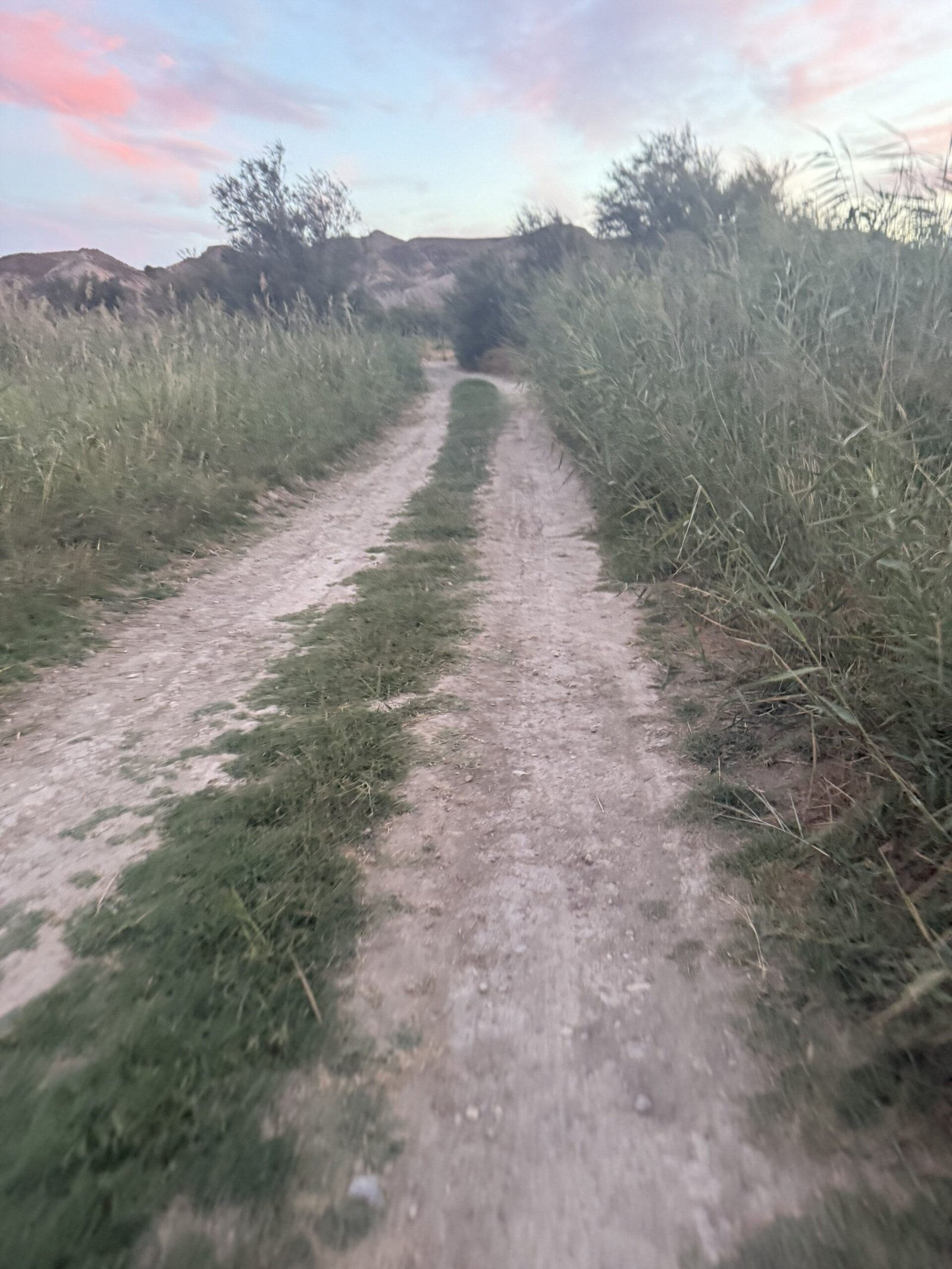
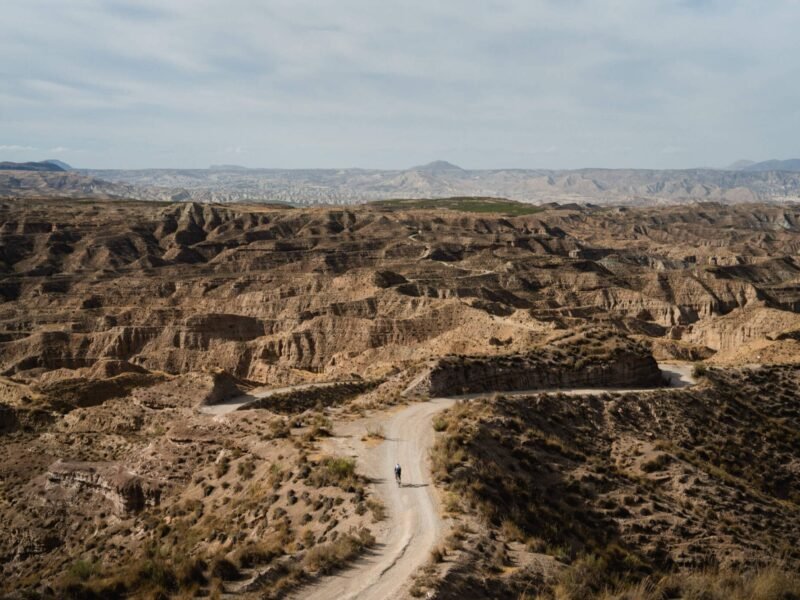
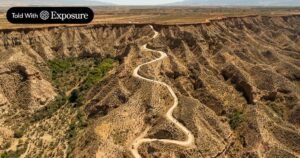
Many people imagine deserts as endless flat expanses. Gorafe quickly destroys that idea. The terrain is a maze of eroded ridges, dry valleys, and steep gravel ramps. There is almost no flat ground—only up or down, over and over again.
The heat wrapped around us like a blanket.
Hours later, after another punishing climb, the body finally protested. We found the narrow shadow of a tiny olive tree beside the trail and collapsed underneath it. The ground was hot, the air still. Breathing slowly, we took small sips of water and waited for the burning sensation in the body to fade.
A few riders passed and stopped to check that we were okay. One of them smiled and pointed down the trail.
“The Oasis is close,” he said. “A town with a bar. Air conditioning.”
It sounded like a myth.
But it wasn’t.
Salvation in the Desert
The small village appeared suddenly between dusty hills.
Inside the bar, cold air rushed over us like a wave. A Coca-Cola has never tasted better. Slowly, the body temperature dropped. The dizziness faded. For the first time in hours, things felt manageable again.
Outside, the sun had begun its slow descent.
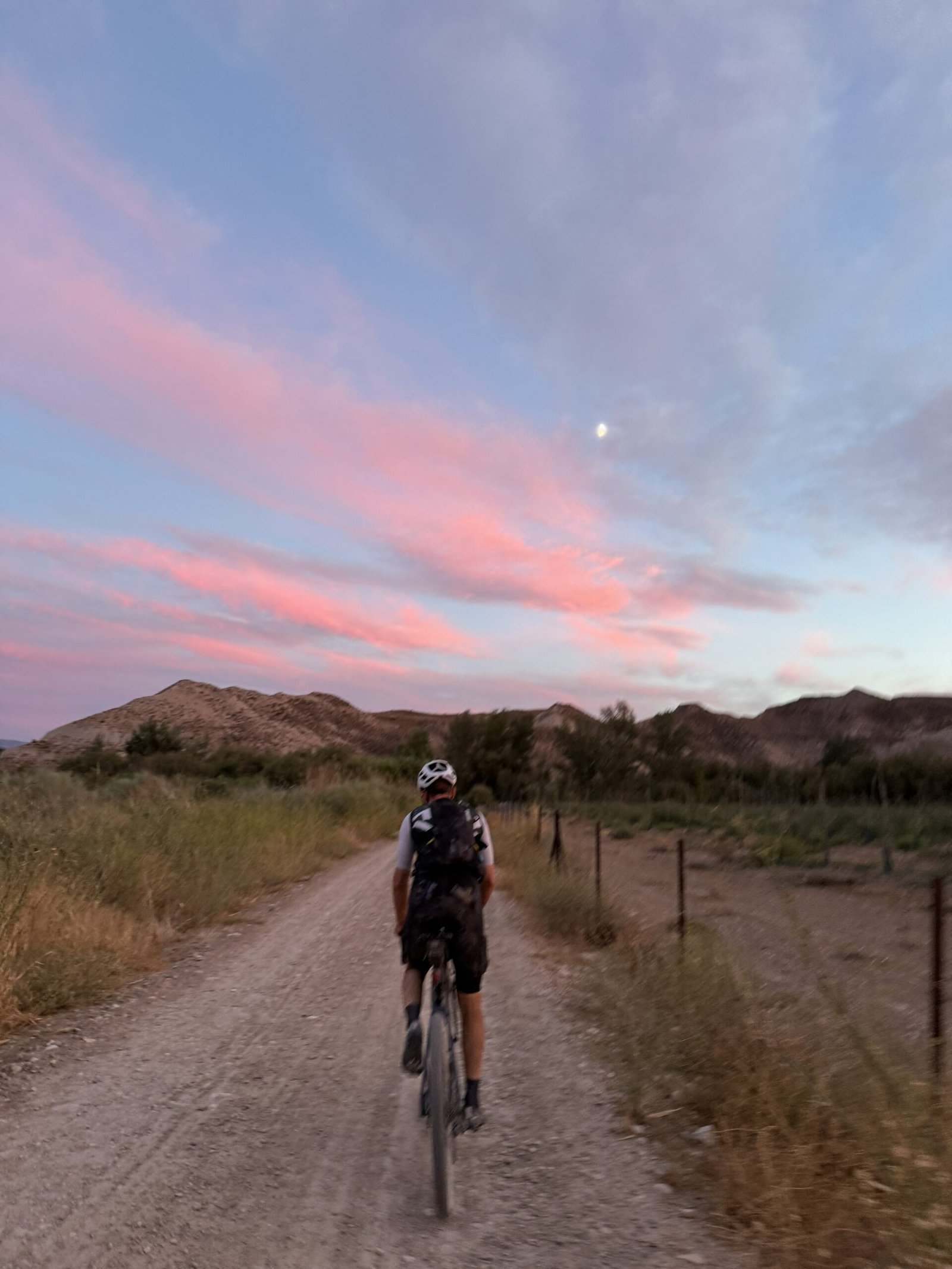
When we rolled back onto the bikes, the light was softer and the worst heat of the day was fading. The body still felt wrecked, but the thought of riding into the cool night was powerful motivation.
The desert, for now, released its grip.
Riding Into the Night
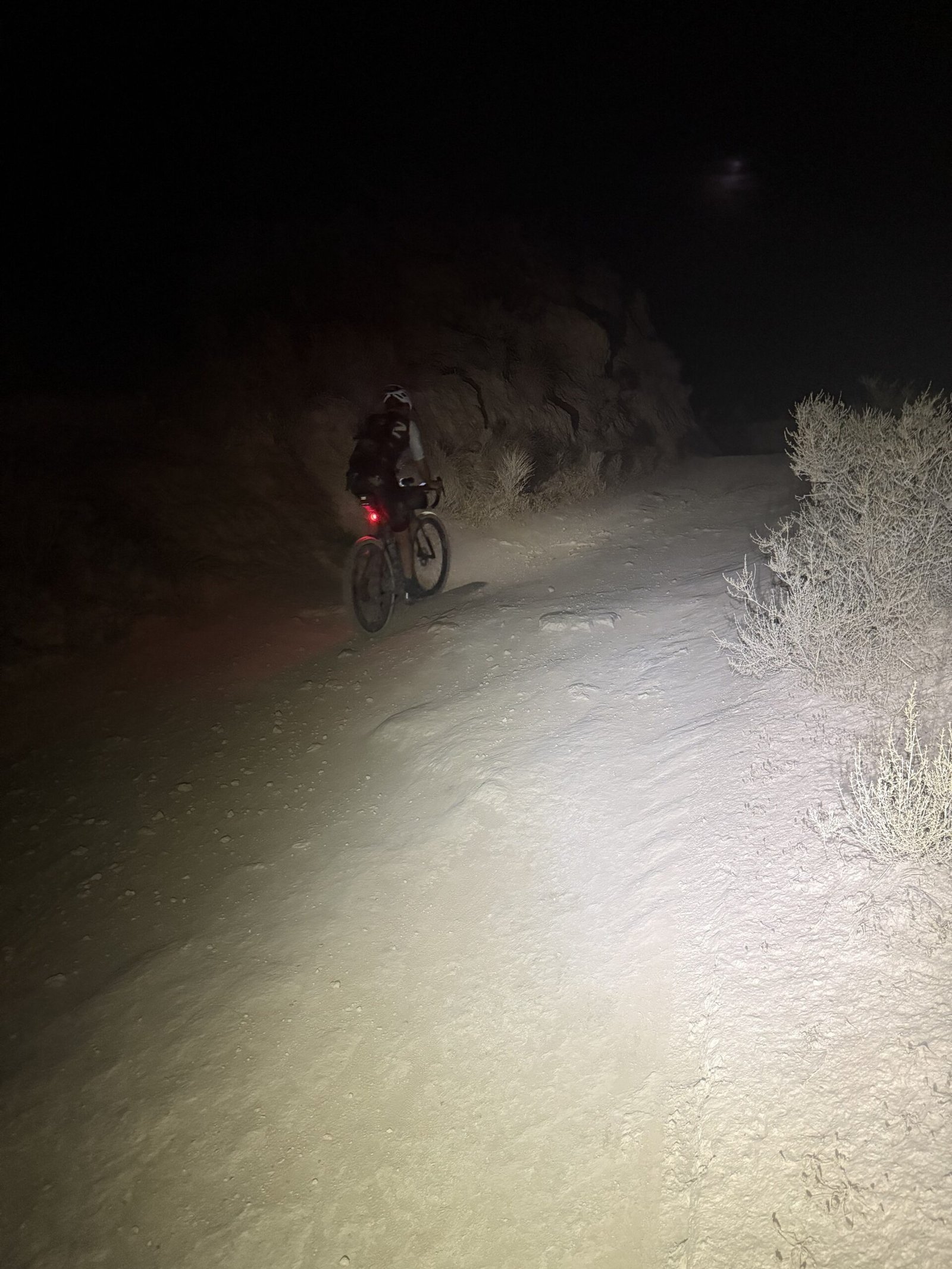
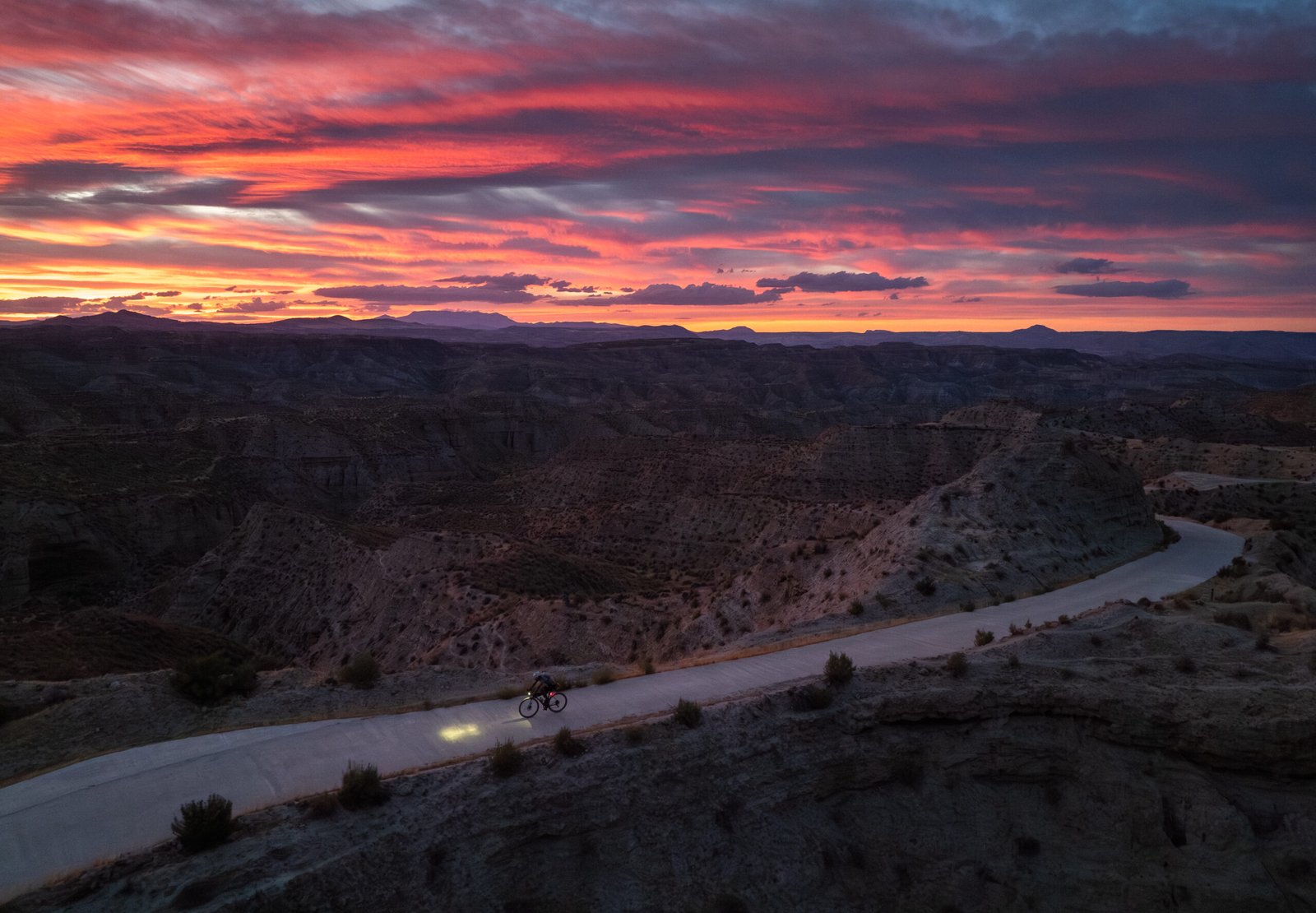
Around 10 p.m. the sun finally disappeared behind the jagged horizon.
Headlamps flicked on.
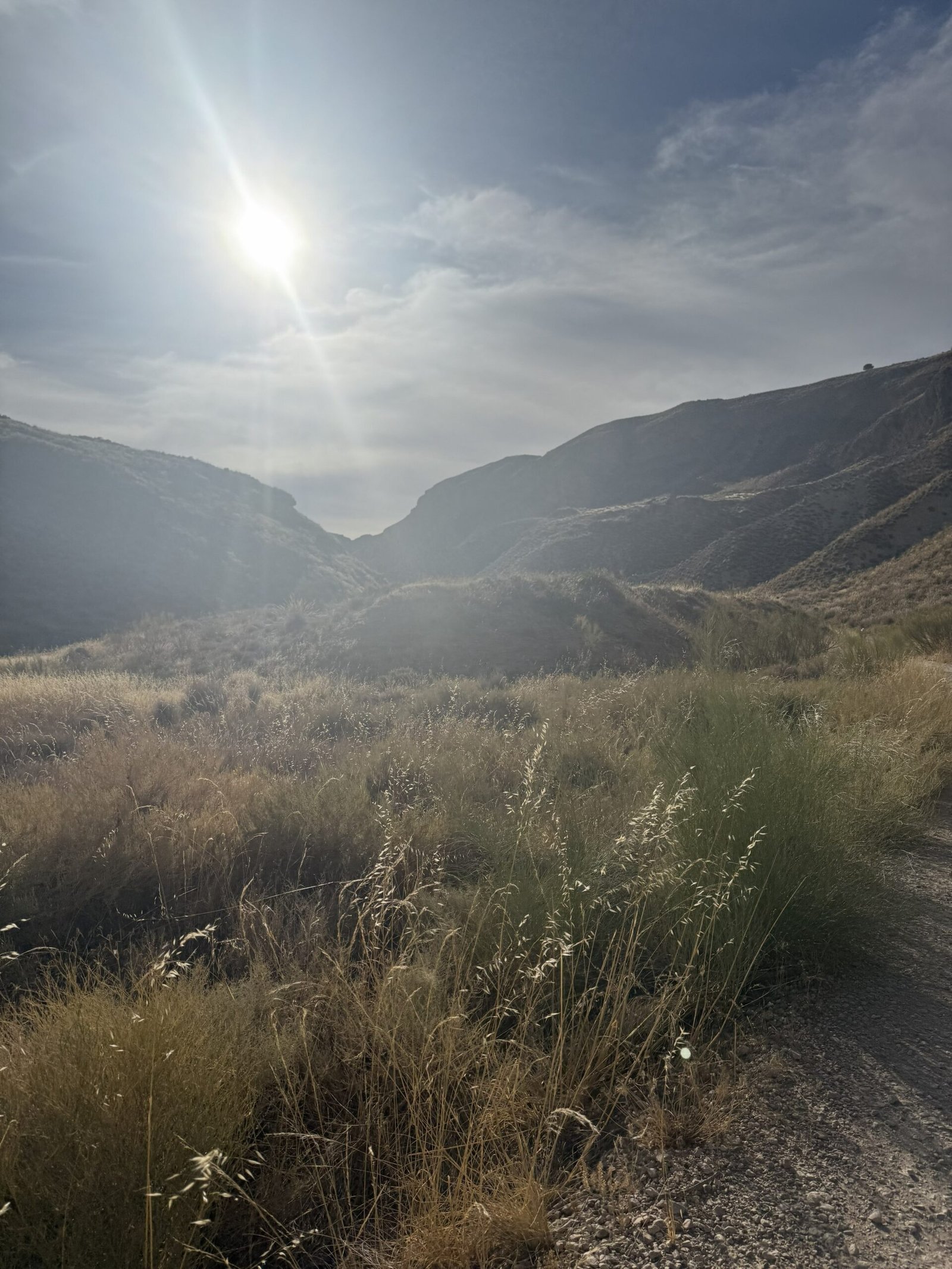
The temperature dropped quickly, and with it came relief. Even though the day had drained us completely, the cool air felt like a reset. Pedalling through darkness, gravel crunching under the tyres, the rhythm returned.
By midnight we rolled into the small town of Gor.
To our surprise it felt almost like a festival. Locals stood outside the bar cheering riders as they passed. We staggered inside, completely exhausted, and collapsed onto the floor while waiting for food.
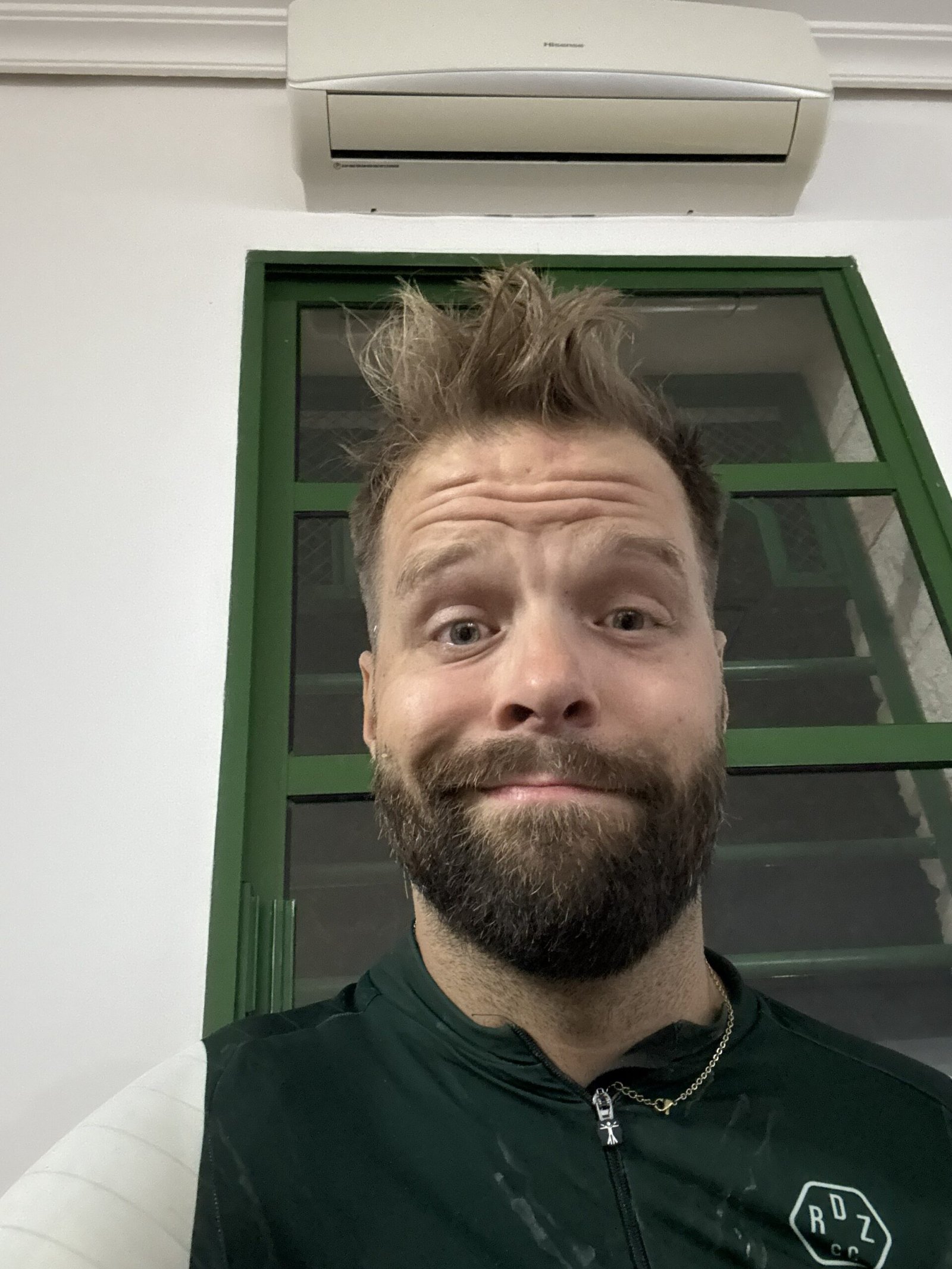
The world spun slightly.
Eating wasn’t easy—our bodies seemed more interested in rest than calories—but we forced down fries and meat before heading to the nearby supermarket.
Chocolate. Bananas. Oat bars. Coca-Cola. Candy.
Fuel for the long night ahead.
At 1:30 a.m. we rolled out again, pointing our bikes toward the biggest climb of the route: the long ascent toward Pico Veleta.
It was going to be a cold night.
The Long Climb
Somehow, we survived it.
Climbing through the dark, the body slowly came back to life. Energy returned in small waves, enough to keep the pedals turning.
The altitude crept higher—2,500 metres… 2,800… nearly 3,000. The air cooled sharply. Without the right gear for a proper sleep stop, the only option was to keep moving.
Sometimes that meant pushing the bike in silence, eyes half closed, listening to the distant sounds of night in the mountains.
The only real goal was forward.
Hours passed.
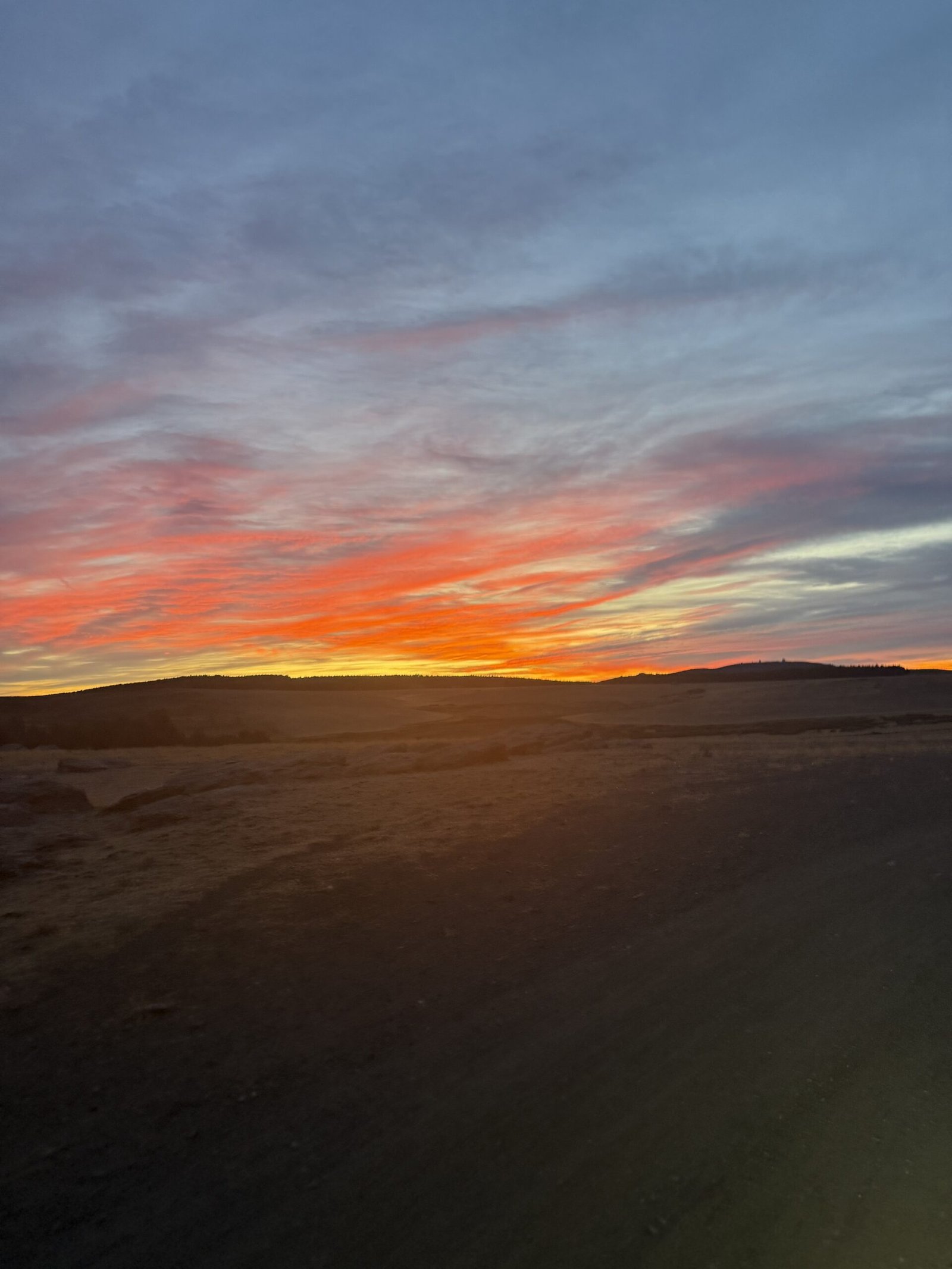
Then finally, just as fatigue began to blur everything, a pale glow appeared on the horizon.
Sunrise.
After 24 hours on the bike, the first light spilled across the mountains, revealing an enormous landscape stretching out below us. The night shift was over.
We had covered around 300 kilometres.
And BADLANDS had only just begun.
Don’t miss the rest of our BADLAND adventure, 2 more parts to come! =D
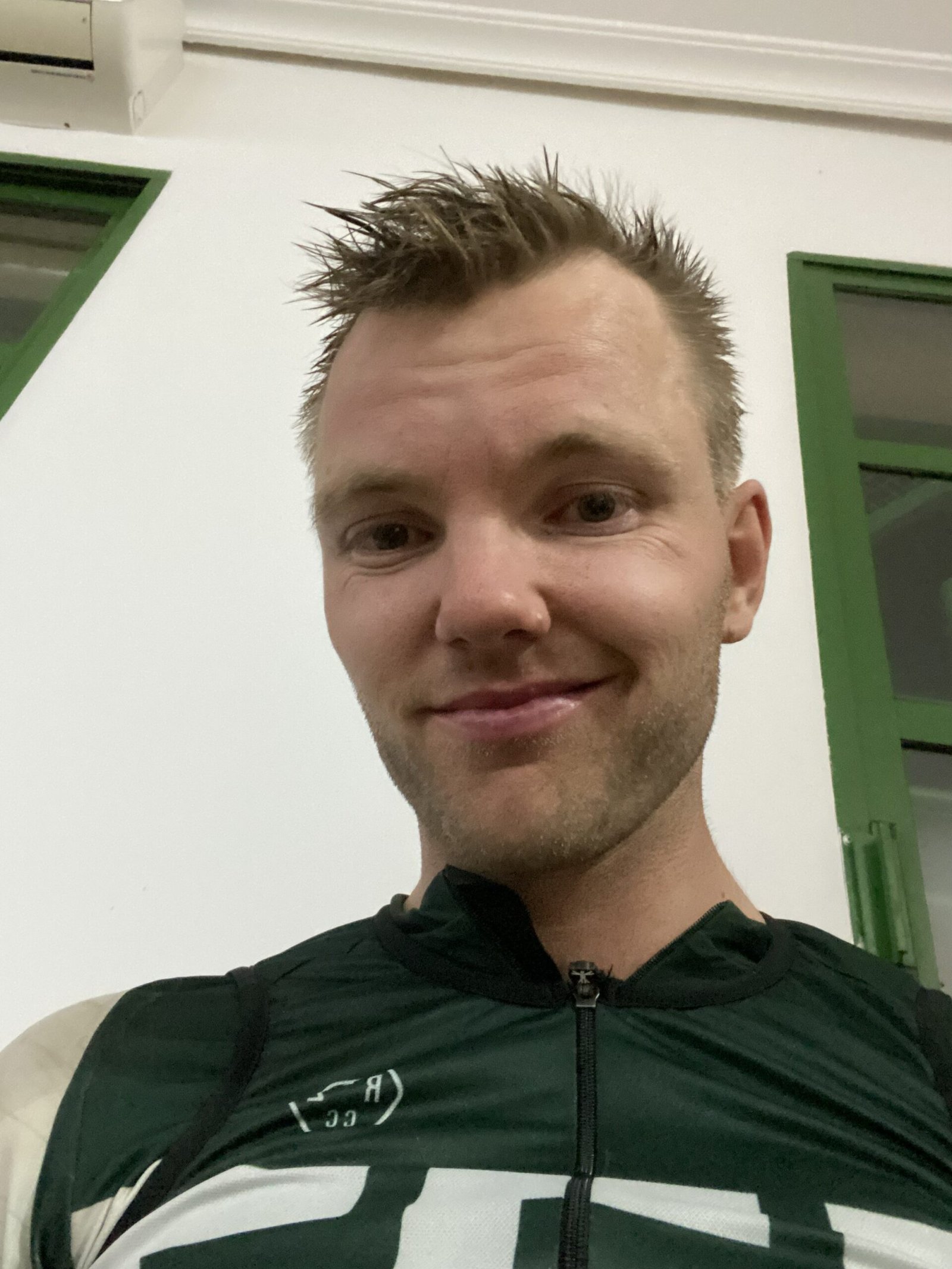
The Bikepack rides and writes as The Bikepack, from Gothenburg, Sweden.

Join the conversation
0 commentsNo comments yet — be the first to share a thought.